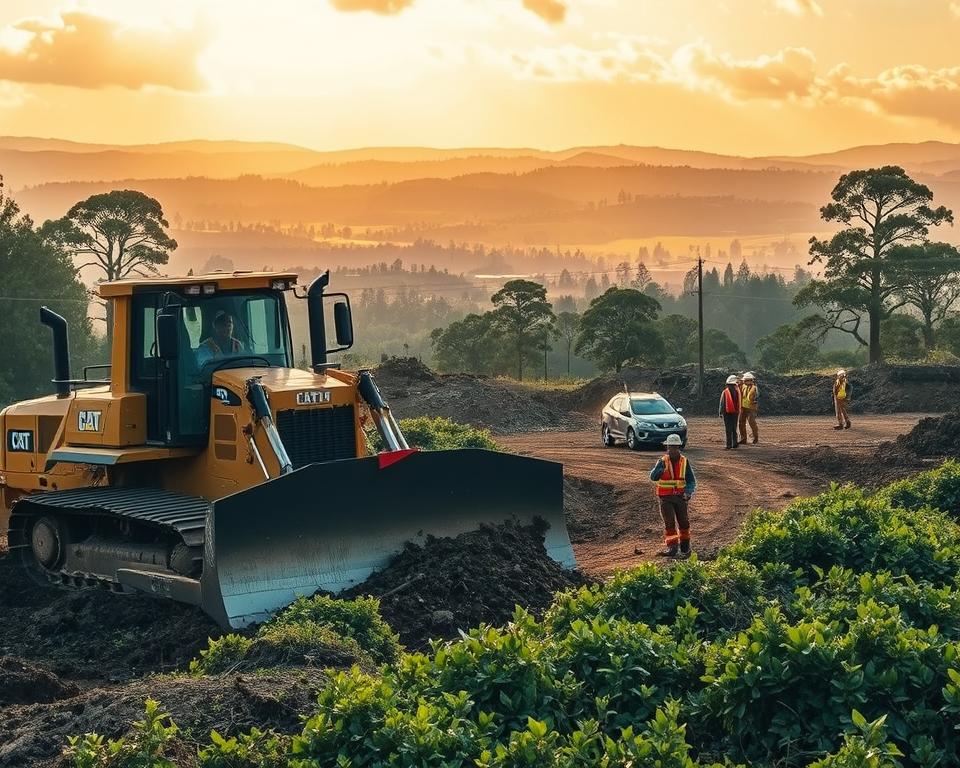
Expert Land Clearing Solutions in Texas
Have you heard Texas claims more than 173 million acres of land, ranking it among the largest states in the US? Such a vast region spans both metro and countryside areas, each demanding customized attention for growth and preservation. Skilled land clearing services in Texas are vital for estate holders to manage their land proficiently and boost its value for future undertakings. Such services, conducted by trained professionals, clear vegetation and get sites for multiple uses, from home improvements to business developments.
The integration of advanced technology and a emphasis on buyer contentment sets apart land clearing companies. Such a combination makes it imperative for landowners to opt for the right Texas land clearing solutions. Making an informed decision secures the best outcomes for their endeavors.
Critical Findings
- Texas is home to over 173 million acres of land, necessitating extensive land management.
- Expert land clearing services enhance site value and get sites for future projects.
- Experienced professionals deliver safe and effective vegetation removal.
- Modern technology plays a central role in effective land clearing operations.
- Client satisfaction is a priority among leading land clearing companies in Texas.
Understanding Professional Land Clearing Solutions
Land Clearing is more than just clearing timber and debris; it’s about reshaping land for diverse uses. It’s vital in estate management, aiming to boost land functionality and appearance. This process gets sites for construction or enhances landscaping, using specific techniques and equipment.
What Land Clearing Entails and Why It Matters
Land Clearing involves several methods to clear undesirable vegetation and hindrances. It’s vital for improving space functionality, whether for development or farming. By clearing land, owners can create a landscape that accommodates new projects or boosts agricultural productivity.
Proper land clearing also avoids pest invasions, which can harm property and reduce its value. This procedure is key to maintaining a healthy environment.
Importance of Land Clearing for Property Management
Land Clearing is critical in property management for keeping land usable and tidy. Routine clearing stops weeds and invasive species, preventing long-term maintenance issues. It’s about strategizing to avoid conflicts with wildlife and environmental regulations.
By prioritizing land clearing, owners safeguard their investments. They also support a healthy ecosystem, helping both the land and its surroundings.
The Benefits of Hiring Professional Land Clearing Companies
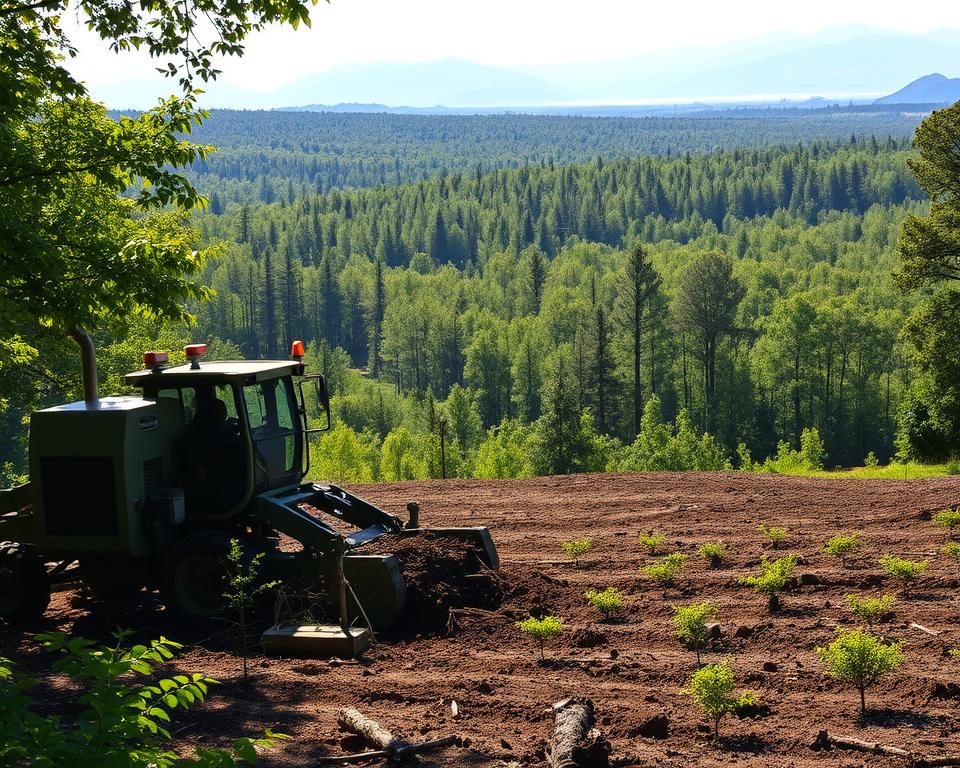
Opting for professional land clearing companies offers countless benefits. Their expertise and experience are key in handling complex tasks with precision. They have access to specialized equipment, speeding up the removal of vegetation and obstacles. This speed can reduce project timelines and lower costs.
Expertise and Experience of Professionals
Professional land clearing companies have years of experience. Their knowledge allows them to evaluate each job accurately, choosing the ideal approach for the site. This skill prevents common mistakes, guaranteeing a smooth process from start to finish.
Access to Specialized Equipment
One major benefit is the use of high-end land clearing equipment. These companies are equipped with cutting-edge machinery like excavators, bulldozers, and chippers. This equipment enhances efficiency and allows them to handle challenging terrain, overcoming obstacles that others might find hard.
Saving Time and Money
Professionals offer substantial advantages in terms of time and cost. Their expertise and access to advanced equipment streamline operations, leading to quicker project completion. This speed results in cost savings compared to DIY work. Choosing professional land clearing services delivers high-quality results swiftly and at a reduced cost.
Types of Land Clearing Services Offered
Understanding the various types of land clearing services is essential for property owners aiming to enhance their land. Whether it’s a compact plot for a home or a larger area for business, each service meets specific needs. Here are some typical offerings in the land clearing industry.
Home Plot Clearing
Residential land clearing prepares plots for new homes or renovations. It involves clearing trees, stumps, and brush that could block construction. This service provides a clear, secure, and open area for building. It’s ideal for homeowners wanting a beautiful outdoor space.
Business Site Clearing
Commercial land clearing is for larger-scale operations needed for enterprises or industrial projects. It includes clearing trees, leveling the site, and disposing of debris. This service gets land for projects like office spaces, retail stores, or manufacturing plants.
Clearing Overgrowth
This service tackles overgrown vegetation that impacts visibility, safety, or aesthetics. Brush and underbrush removal is essential for both residential and commercial properties. It makes properties more visually appealing and safer to navigate. Clearing these plants promotes healthy growth and improves land accessibility.
Site Preparation for Development Projects
Groundwork is critical in any development project. It involves grading, excavation, and setting up drainage systems. Land clearing companies offer site preparation to make the land ready for construction. Proper site preparation is key for a project’s success.
How to Choose the Right Land Clearing Company
Selecting the right land clearing company is a process that requires thorough research and evaluation. It’s crucial to focus on credentials and experience, as well as customer feedback. Being well-informed ensures the job is done efficiently and to your satisfaction.
Verifying Qualifications and Background
Begin by verifying the land clearing company’s credentials. Look for licenses, insurance, and certifications that demonstrate their professionalism. Their experience in the field is also critical, as it shows their ability to meet your project’s specific needs.
Reading Client Feedback
Customer testimonials offer valuable insights into a company’s performance. Reading feedback from past clients helps gauge quality, reliability, and customer service. These testimonials indicate the company’s reputation and help narrow down your options.
Comparing Quotes and Services Provided
Getting multiple quotes helps you see market rates better. Compare the services and pricing of each company to identify value for money. Make sure each quote explicitly outlines the land clearing services offered, assisting in your decision-making process.
Pricing for Land Clearing in Texas
Knowing the cost of land clearing in Texas is vital for property owners. Various elements affect pricing, shaping the budget for such projects. These include land size, vegetation type, accessibility, and regional regulations. This section explores these factors and provides insights into average costs per acre for land clearing.
What Drives Land Clearing Prices
Several factors greatly impact land clearing costs. Key influences include:
- Land Size: Bigger areas demand more resources and time, elevating total cost.
- Vegetation Type: Thick foliage or large trees raise removal costs due to additional labor and equipment needs.
- Terrain Challenges: Rugged or rocky terrain complicates the clearing process, potentially raising expenses.
- Accessibility: Hard-to-reach locations may incur higher charges for transportation and equipment mobilization.
Average Land Clearing Costs per Acre
The typical cost per acre for land clearing in Texas fluctuates greatly. This range is based on the factors mentioned. On average, property owners can expect:
| Vegetation Type | Average Cost per Acre |
|---|---|
| Brush and Small Trees | $1,200 – $2,500 |
| Mature Trees | $2,500 – $5,000 |
| Cultivated Land (Minimal Clearing) | $800 – $1,500 |
These typical figures provide a better idea of what to expect when planning for land clearing projects. They help clients to plan effectively based on their specific needs.
Advanced Land Clearing Equipment Used
Efficient land clearing heavily depends on modern equipment. Knowing the types of machinery available can significantly improve outcomes. It also boosts safety and efficiency. This section details the different equipment used and the advantages of modern technologies in land clearing.
Types of Machinery Used in Land Clearing
- Skid Steer Mulchers: Versatile machines capable of handling multiple terrain types.
- Forestry Mulchers: Designed to tackle larger trees and dense vegetation, providing a clean finish.
- Excavators: Ideal for digging and moving earth or debris, essential in preparation phases.
- Bulldozers: Essential for pushing large volumes of material, ensuring effective site clearance.
- Chippers: Break down wood into smaller, manageable pieces, promoting easier disposal.
Benefits of Using Modern Equipment
Using advanced clearing equipment brings many benefits. Precision cutting minimizes environmental impact. Modern machinery’s efficiency means projects are completed faster, saving time and costs. Plus, improved safety features lower accident risks, ensuring a safe work environment.
Step-by-Step Clearing Process
The land clearing procedure is a comprehensive method to prepare a site for construction or development. Each step is critical for effectiveness and environmental care. Understanding these steps helps property owners navigate the complex land preparation tasks.
Site Inspection
The first step is the preliminary land assessment. It examines the land’s topography, soil, plants, and any structures. This information helps identify challenges and opportunities, guiding decisions as the project unfolds.
Planning and Strategy for Clearing
Next, a specific clearing strategy is crafted. It selects the right tools and methods for the site’s unique needs. Ecological care, safety, and permits are key considerations. A robust plan guarantees the work goes smoothly and on time.
Execution of the Land Clearing Operations
With the strategy set, the clearing work starts. Specialized machines remove plants, debris, and unwanted structures. Following the plan maintains costs and timelines in check and protects the environment.
Ecological Effects of Clearing
The environmental impact of land clearing is a urgent concern for both conservationists and developers. Clearing land for new projects disrupts local ecosystems, causing biodiversity loss and ecological challenges. Adopting eco-friendly land clearing practices can lessen these negative impacts and foster sustainable development.
Effective strategies can reduce habitat destruction and soil erosion, common issues with traditional land clearing. Techniques like selective clearing and environmentally friendly herbicides help protect native species. Soil conservation methods ensure the land remains stable after clearing, maintaining ecological balance.
Eco-Friendly Practices in Land Clearing
Eco-friendly land clearing focuses on sustainable methods and technologies. Key practices include:
- Selective clearing to retain important vegetation
- Using machinery that minimizes soil compaction
- Recycling cleared materials for landscaping projects
- Implementing erosion control measures, such as silt fences and mulching
These strategies not only protect the environment but also increase land value by preserving natural resources.
Legal Requirements for Clearing
Texas has strict regulations for land clearing to protect ecosystems. Companies must follow:
- The Clean Water Act, which controls pollutant discharge
- State laws protecting wildlife to conserve native species
- Local ordinances governing land use and development
Knowing these regulations helps businesses operate responsibly, minimizing environmental impact.
Affordable Land Clearing Options in Texas
Texas offers a variety of affordable land clearing solutions for property owners looking to cut costs. Knowing the market can help find budget-friendly services that deliver quality without breaking the bank. Choosing the right provider ensures you get the most bang for your buck.
Locating Affordable Providers
In Texas, there are many budget land clearing services available for both homes and businesses. Companies offer flexible options to fit different budgets without compromising quality. It’s wise to evaluate services and ask for detailed quotes from several providers. This strategy helps property owners make the best choice for their specific needs.
Discounts for Seniors and Veterans
Special pricing are a significant factor when searching for budget-friendly land clearing services. Many Texas providers offer exclusive rates for seniors and veterans. These discounts recognize their service and help seniors keep their properties in good condition. Always ask about existing discounts, as they can greatly lower costs.
The Role of Land Clearing in Real Estate Development
Land clearing is crucial in real estate development. It removes obstacles and gets the land for new projects. This process significantly enhances property value in various developments.
Boosting Land Worth
Professional land clearing directly increases property value. Clean land attracts buyers and investors. It renders selling or developing simpler. Removing brush, trees, and debris creates a more attractive environment.
It also reduces risks like pests and hazards. This is critical for overgrown land.
Preparing Land for New Projects
Preparing land for projects requires thorough planning. Land clearing makes the site suitable for construction or other uses. It increases project efficiency and supports on-schedule completion.
Properly cleared land enables for essential assessments. These include environmental studies and soil testing. They are essential for any development.
Land Clearing Near Me: Finding Local Services
Selecting local land clearing services brings numerous advantages that can greatly enhance your project’s efficiency. Local companies are known for their prompt responses, deep understanding of regional regulations, and tailored service. For property owners aiming to improve their land, connecting with local professionals is extremely advantageous.
Benefits of Choosing Local Companies
- Quick Response Times: Local companies can respond rapidly, allowing for faster project commencement.
- Familiarity with Regulations: They have a strong understanding of local laws and regulations that may affect land clearing activities.
- Community Support: Supporting local businesses adds to your community’s economy.
- Customized Services: Local contractors may offer services customized to the unique needs of the area.
Service Areas
When searching for land clearing services near you, it’s vital to know the areas covered by local companies. Most services cover various regions, including:
| Region | Common Services |
|---|---|
| Urban Areas | Residential and Commercial Land Clearing |
| Suburban Areas | Brush Removal and Site Preparation |
| Rural Areas | Agricultural Land Clearing |
| Specialty Areas | Eco-Friendly Practices and Special Permits |
Wrapping It Up
Expert land clearing services in Texas are vital for both residential and commercial projects. These services utilize advanced equipment and expertise to clear land efficiently and safely. They handle everything from brush removal to site preparation, enhancing your land’s value and usability.
Choosing seasoned professionals for land clearing streamlines the process and minimizes risks. Whether for new construction or property upkeep, professional land clearing in Texas is a wise investment. It offers long-term benefits and ensures compliance with local regulations.
By leveraging professional land clearing services, property owners can make better decisions about their land. This approach leads to more seamless developments, adheres to local laws, and enhances the land’s appearance. Contact a trusted land clearing company to start your project on the right track.