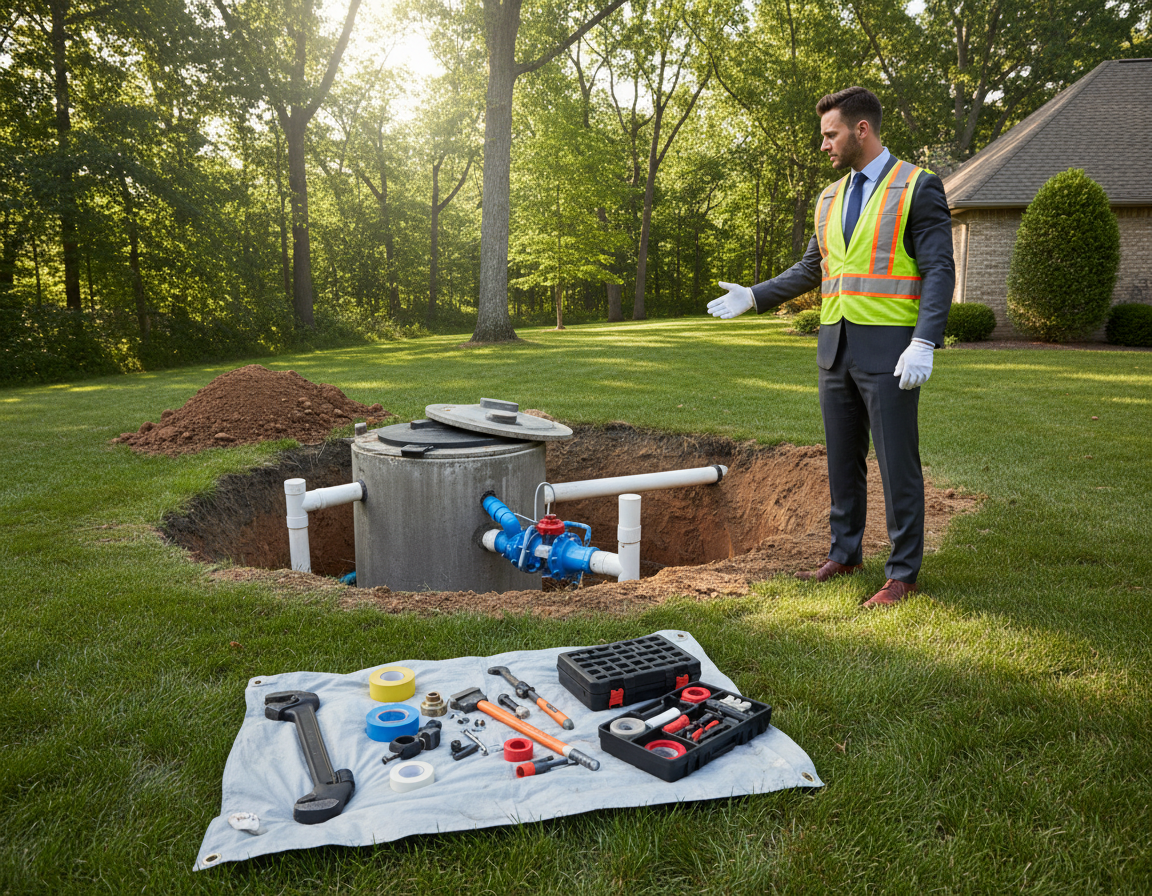
The Impact Of Stapling On Bariatric Surgery Success

Bariatric Surgical Stapling: Safe Obesity Treatments.

Performed at accredited centers, bariatric surgeries show complication rates comparable to or lower than those for cholecystectomy and hip replacement, according to JAMA Surgery and the Annals of Surgery. For many adults, metabolic surgery is a dependable path to long-term weight control and comorbidity remission.

Bariatric Surgical Stapling enables modern techniques such as sleeve gastrectomy, Roux-en-Y gastric bypass, and duodenal switch. They change gastric and intestinal anatomy to limit hunger, increase satiety, and improve glycemic and lipid control. Most are done laparoscopically or with robotic assistance, which yields less pain, shorter hospital stays, and faster recovery.

With the right surgical endoscopic stapler devices and tools for morbid obesity surgery, teams can create precise pouches and connections that withstand real-life use. The benefits are significant: many patients shed half or more of their excess weight within two years. Type 2 diabetes, hypertension, sleep apnea, and NAFLD commonly remit. However, sustained success depends on lifelong follow-up, nutrition planning, and vitamin/mineral supplementation.

Every operation carries inherent risks—bleeding, infection, anesthesia reactions, clots, or leaks. Yet, with careful planning and accredited care, outcomes remain strong. Here we outline how technique, technology, and training in concert make metabolic surgery effective and safe.

  • Accredited centers consistently show low complications and robust safety.
  • Precise, durable connections via Bariatric Surgical Stapling are central to modern techniques.
  • Common options include sleeve gastrectomy, gastric bypass, and duodenal switch, with SADI-S as a newer choice.
  • Laparoscopic/robotic methods reduce pain, trim stays, and speed recovery.
  • Many patients lose half or more of excess weight within two years and see major disease improvements.
  • Lifelong follow-up, nutrition, and proper device/tool use drive success.

endoscopic stapler

Why Safety Matters and What Bariatric Surgery Treats

Bariatric procedures aim to alleviate more than just weight; they also diminish the impact of obesity-related diseases, protecting long-term health. Safe outcomes start with rigorous screening and advanced tools at accredited facilities.

Obesity-related diseases improved by surgery

Control of type 2 diabetes, hypertension, and dyslipidemia often gets better. Sleep apnea and GERD often get better as weight decreases and anatomical changes occur. Many also see improvements in nonalcoholic fatty liver disease, including NASH, and less osteoarthritis pain.

Evidence shows reduced risks of heart disease, stroke, and select cancers (breast, endometrial, prostate) after surgery. Patients also report better energy, mobility, and daily function.

When lifestyle change isn’t enough

Diet, exercise, and medication are the initial steps. Surgery is considered when serious comorbidities persist or weight returns despite diligent efforts. It serves as a tool, not a definitive solution, and is most effective with sustained nutrition, physical activity, and follow-up care.

Clear expectations are essential. Validated pathways and appropriate tools support structured programs that pair behavioral change with durable results.

Team-based care improves safety

A multidisciplinary bariatric team—comprising surgeons, obesity medicine specialists, bariatric anesthetists, clinical nurse specialists, psychologists, pharmacists, and dietitians—coordinates care from evaluation to recovery. Preoperatively, they optimize diabetes, sleep apnea, and cardiac/respiratory/renal issues.

Accredited centers employ standardized protocols, checklists, and contemporary bariatric surgery tools to ensure safe bariatric surgery. Continuous follow-up, nutrition guidance, and medication review are essential to maintain weight loss and prevent the recurrence of obesity-related diseases.

Modern Minimally Invasive Techniques and Stapling Technology

Moving from open surgery to minimally invasive approaches has transformed bariatric care. Utilizing small ports, high-definition cameras, and precise dissection techniques, these advancements cut recovery time and pain. The incorporation of surgical linear stapler instruments is vital, enabling surgeons to create consistent, consistent tissue connections throughout the procedure.

Advances from the 1990s have enabled complex reconstructions such as Roux-en-Y gastric bypass, duodenal switch, and SADI-S, enhancing safety profiles.

Why laparoscopic and robotic methods speed recovery

Most bariatric surgeries now employ laparoscopy, requiring only five or fewer small incisions. Camera guidance provides clear views for precise handling and stable stapling. Robotic systems, provided by Intuitive and Medtronic, offer wristed control and ergonomic comfort, potentially reducing surgeon fatigue and improving consistency.

These methods often result in less blood loss and shorter hospital stays compared to open surgery. Patients often ambulate the same day and discharge after a short stay.

Laparoscopic stapling devices and endoscopic stapling technology

Stapling systems from Ethicon and Medtronic power key steps in sleeves and bypasses. Reloads matched to tissue thickness enable hemostasis and clean transection. In select cases, endoscopic stapling technology or suturing tools can reduce stomach volume without external incisions.

Minimally invasive stapling tools enable surgeons to create pouches and join bowel segments with controlled compression and uniform rows, resulting in a secure platform for healing and reduced operative time.

Minimally invasive stapling tools used with general anesthesia

These operations are performed in accredited hospitals under general anesthesia with continuous monitoring. Typical case times range from one to three hours, followed by observation in the post-anesthesia unit and a short stay on the surgical floor.

Anesthesia teams coordinate with the surgeon to time key steps around the use of surgical linear cutting stapler instruments. Care pathways emphasize early ambulation, multimodal analgesia, and safe discharge.

Approach Primary Tools Anesthesia Typical Benefits Common Settings
Laparoscopic laparoscopic stapling devices, camera-equipped laparoscope General anesthesia with airway protection Less pain, lower blood loss, shorter stay Hospital OR with ERAS protocols
Robotic-assisted surgical stapling instruments mounted on robotic arms General anesthesia Enhanced dexterity, stable visualization Robotic OR with trained console team
Endoluminal endoluminal stapling/suturing systems General anesthesia or deep sedation Rapid recovery, no external incisions Endoscopy suite or hybrid OR
Hybrid minimally invasive stapling tools with adjunct suturing General anesthesia with monitoring Flexible workflow, tailored handling Advanced bariatric centers

Bariatric Surgical Stapling

Bariatric Surgical Stapling provides precise, repeatable sealing for gastric and intestinal tissue. Surgeons employ surgical stapling devices to divide tissue, control bleeding, and create secure joins—critical for a safe recovery and consistent outcomes.

Role of surgical stapling devices in creating pouches and anastomoses

For sleeves, staplers resect most of the stomach to leave a narrow tube. In gastric bypass, a small egg-sized pouch is created and connected to the jejunum. Calibrated cartridges and controlled compression yield uniform rows and reliable anastomoses.

Teams choose a gastric bypass stapler and select reloads based on the patient’s tissue, ensuring workflow accuracy and stable perfusion at the staple line.

Uses for linear and linear-cutting staplers

A linear stapler places parallel rows to close or join tissue without cutting it, while a linear cutting stapler staples and divides in one step—facilitating speed and control in sleeve creation and jejunal connections.

During pouch creation and limb construction, the linear cutting stapler helps with maintaining alignment and reducing manipulation, supporting clean transection planes with consistent compression times.

Staple-line consistency, hemostasis, and leak prevention

Consistent staple formation is essential for hemostasis and leak prevention. Key steps include verifying thickness, matching cartridge, and allowing full compression prior to firing.

Reinforcement may include gentle handling, B-form checks, and selective oversewing. With the right linear stapler, linear cutting stapler, and gastric bypass stapler, Bariatric Surgical Stapling achieves uniform lines that reduce bleeding and leaks while preserving blood flow.

Which Patients Qualify for Metabolic and Bariatric Procedures

Candidacy depends on medical necessity, safety, and readiness for lifestyle change. Institutions (e.g., Cleveland Clinic, Mayo Clinic) evaluate BMI, history, goals, coverage, and commitment to long-term follow-up.

BMI cutoffs and comorbidities

BMI ≥40 typically qualifies. BMI 35–39.9 plus serious comorbidities (T2D, HTN, severe OSA) also qualifies.

Select patients with BMI 30–34 and uncontrolled metabolic disease may be considered per guidelines with documented supervised attempts.

Insurance considerations and long-term follow-up

Coverage varies (private, Medicare, Medicaid); confirm criteria, authorization, and costs.

Post-surgery, patients must adhere to a rigorous follow-up regimen with clinic visits, nutrition counseling, and labs to monitor vitamin/mineral levels and adjust medications for diabetes, sleep apnea, and blood pressure.

Pre-op optimization and stopping nicotine

Pre-surgery evaluations include labs, ECG, and imaging as needed, plus activity and dietary changes to manage diabetes, OSA, and cardiovascular conditions.

Quitting all tobacco and nicotine products is imperative; hospitals like Kaiser Permanente and NYU Langone Health verify cessation before surgery to protect healing and reduce complications.

How Stapling Works in Sleeve Gastrectomy

Sleeve surgery shapes the stomach into a narrow tube with pylorus preserved. Surgeons use bariatric surgical stapling along a sizing bougie, targeting a diameter often under 2 cm, enabling efficient cases with shorter stays for many patients.

Resecting approximately 80% of the stomach with stapling instruments

Using surgical stapling instruments, the fundus and greater curvature—about 80% of the stomach—are divided and removed, creating a uniform, banana-shaped sleeve. Select centers use endoscopic staplers for challenging anatomy to enhance control.

The staple line aims for hemostasis and consistent compression across variable tissue thickness, helping maintain target lumen and minimize bleeding.

Impact on ghrelin, hunger, and fullness

Because the fundus produces most ghrelin, resection reduces hunger and increases early satiety. Combined with reduced capacity, hormonal shifts lower intake and improve glucose control.

Typical EWL is ~50–60% by 1–2 years, sustained by diet, activity, and follow-up.

Reflux considerations after sleeve procedures

As the stomach becomes a tight tube, intraluminal pressure can rise and provoke/worsen reflux; patients with significant GERD often consider Roux-en-Y gastric bypass, which tends to reduce reflux.

Sizing, attention to the incisura, and thoughtful reinforcement can limit reflux; for very high BMI, a staged plan (sleeve then bypass/SADI-S) may be used.

Step Technique Detail Role of Stapling Clinical Rationale
Calibration Sizing tube/bougie along lesser curvature Guides target diameter Uniform lumen, predictable restriction
Fundus Mobilization Short gastric vessels divided to free the fundus Straight staple-line trajectory Full fundus resection lowers ghrelin
Sequential Firing Sequential firing antrum→angle of His Compression, cutting, sealing Hemostasis and consistent contour
Assessment Leak test and inspection of staple integrity Confirms staple-line security Reduces bleeding/leak risk
Reflux Mitigation Attention to incisura, avoidance of torsion Stable line promotes straight, low-turbulence channel Limits reflux/dysmotility

Gastric Bypass/Loop Bypass Stapling

Surgeons employ precise stapling to craft small stomach pouches and secure bowel connections; modern laparoscopic devices standardize steps while allowing customized limb lengths.

Pouch creation using a gastric bypass stapler

A gastric bypass stapler forms a ~30–40 mL pouch, divided from the remnant by a durable staple line.

Surgeons align loads vertically along the lesser curvature to achieve a narrow, uniform pouch that supports early satiety and reliable emptying.

Constructing RYGB anastomoses and preventing leaks

In RYGB, the jejunum is divided; the pouch connects to the alimentary limb, and biliopancreatic flow rejoins 3–4 feet downstream to form the Y—combining restriction with controlled malabsorption.

Leak risk is mitigated via reinforcement, tension-free alignment, and perfusion checks, with laparoscopic stapling devices preserving tissue blood flow.

One-anastomosis gastric bypass bile reflux considerations

A longer pouch with a single jejunal loop in OAGB yields strong loss but can expose the pouch/esophagus to continuous bile.

Monitoring, limb-length adjustments, selection, and endoscopic follow-up—plus meticulous stapling—help control bile reflux while maintaining efficacy.

  • Technique focus: gentle handling, calibration, staple-line checks
  • Configuration choices: RYGB for reflux; OAGB for simplicity
  • Tools: laparoscopic stapling devices matched to tissue thickness for consistent staple formation

Advanced Malabsorptive Options Utilizing Stapling

In very high BMI or revision scenarios, malabsorptive options leverage precise stapling to reshape the stomach and reroute intestine, changing absorption.

Biliopancreatic Diversion With Duodenal Switch (DS)

DS combines a sleeve with long bypass for profound loss and potent diabetes remission, with risks of diarrhea, reflux, and macro/micronutrient deficits.

Experienced teams use staplers to form the sleeve and duodenal anastomosis with consistent lines; close follow-up supports meal planning, hydration, and labs to manage long-term nutrition.

Single-Anastomosis Duodeno-Ileal Bypass With Sleeve (SADI-S)

SADI-S begins with a sleeve and creates one duodeno-ileal anastomosis, simplifying steps versus classic DS while preserving strong metabolic effects; early data show meaningful loss and improved glycemia with somewhat fewer deficiencies.

Staplers standardize compression/hemostasis; ongoing nutrition visits and labs remain essential due to malabsorption.

Nutrient Absorption, Vitamin Supplementation, and Risks

Less contact with absorbing bowel lowers calories and nutrient uptake; daily supplements and labs (A, D, E, K, B12, folate, zinc, copper, iron, calcium, protein) are key.

Teams counsel on bowel habit changes, hydration, and reflux management after DS or SADI-S; with reliable staplers and tight follow-up, patients navigate the balance of benefits and risks.

Endoscopic and Laparoscopic Alternatives Using Stapling and Suturing

Less invasive methods use suturing/stapling to reduce volume without permanent rerouting, often outpatient or transitional.

Endoscopic sleeve gastroplasty and endoluminal tools

ESG uses full-thickness sutures to shrink capacity (up to ~70%); some cohorts reach ~60% EWL, typically lower than surgical sleeves.

Endoscopic stapling and endoluminal suturing technologies strive to standardize the process, often without general anesthesia, though long-term durability is still being studied.

Laparoscopic gastric plication and durability considerations

Gastric plication sutures inward folds; loss tends to be modest, with reports of higher complications and revisions (obstruction/loose folds).

Because of variable durability, funding and adoption are limited; it’s reserved for carefully selected patients with thorough counseling.

Intragastric balloons as temporary restrictive tools

An intragastric balloon is placed endoscopically and filled with 500–750 mL saline (often dyed) for ~6 months, yielding ~30% EWL with coaching.

Deflation/migration may cause obstruction requiring urgent surgery; candidates often seek short-term loss (e.g., pre-op joint replacement, fertility) or are unfit for definitive surgery.

Therapy Mechanism Anesthesia Setting Typical Course Expected Weight Loss Key Risks Best-Suited Patients
Endoscopic sleeve gastroplasty Endoluminal suturing guided by endoscopic stapling technology to reduce gastric volume Endoscopy suite; deep sedation or no general anesthesia Outpatient; structured diet and activity Variable; up to ~60% EWL Reflux; rare bleed/perf; loosening Prioritizes low morbidity/no scars
Laparoscopic gastric plication Greater-curvature folding with sutures General anesthesia Same-day/overnight; staged diet Modest loss; durability varies Obstruction from folds, nausea, need for revision Highly selected patients
Intragastric balloon Temporary space-occupying saline device (500–750 mL) Endoscopy with sedation ~6 months in place ~30% EWL with intensive support Deflation/migration → SBO, intolerance Short-term goals or prehabilitation

When paired with coaching, these modalities can enhance satiety and portion control; counseling should compare ESG, plication, and balloons against surgical options and the patient’s profile.

Complications, Risk Management, and Staple-Line Integrity

Programs start with risk minimization and staple-line protection—history/labs/imaging guide procedure choice, while precise stapling promotes consistent, safe results.

Intraoperative risks and controls

Bleeding, infection, anesthesia events, VTE, and respiratory issues are managed by matching staple height to tissue and allowing full compression, using advanced Ethicon/Medtronic instruments.

Quality control includes perfusion verification, air/dye leak tests, and reinforcing vulnerable areas; early mobilization and prophylaxis mitigate thromboembolic risk.

Long-term complications

Long-term issues vary by procedure and may include strictures, internal hernias after bypass, bowel obstruction, ulcers, gallstones, or GERD; malabsorptive operations increase deficiency risks and require labs/supplements.

Bypass can cause dumping/reactive hypoglycemia; management includes diet changes, possible acarbose, and TORe for enlarged outlets with regain.

Quality control with surgical stapling instruments

Select appropriate height/color, permit full compression, and verify uniform rows.

Programs track outcomes and review leaks/bleeds in morbidity conferences; continuous refinement combined with reliable staplers enhances sleeve, bypass, and revisional results.

Outcomes, Weight Loss Expectations, and Disease Remission

Outcomes depend on procedure and adherence; within ~24 months most achieve significant loss and improved energy, mobility, and function.

Typical excess weight loss by procedure

In large U.S. centers, sleeve ~50–60% EWL, RYGB ~60–70%, OAGB ~70–80%.

DS/SADI-S often highest (approaching/over ~100% in select cases); band ~30–40%; balloon ~30%; many reach ≥50% by two years.

Procedure Typical Excess Weight Loss Time Frame to Peak Notable Considerations
Sleeve Gastrectomy 50–60% 12–24 months Lower complexity; monitor reflux
Roux-en-Y Gastric Bypass ~60–70% 1–2 years Strong metabolic effect; ulcer risk with NSAIDs
One-Anastomosis Gastric Bypass ~70–80% 1–2 years Robust loss; bile reflux watch
Duodenal Switch / SADI-S Up to ~100%+ ~18–30 months Highest; strict supplements/labs
Adjustable Gastric Band ~30–40% 18–36 months Lower loss; adjustments required
Gastric Balloon ~30% 6–12 months Temporary; lifestyle critical

Comorbidity improvements

Bypass often improves glucose control early—even before significant weight change—while many also see improved blood pressure and lipids with reduced medications; sleep apnea eases as weight falls.

NAFLD/NASH markers commonly improve; RYGB can improve reflux; these patterns align with accredited-center data.

Lifestyle remains essential after surgery

Daily habits sustain success: protein-first diet, regular activity, portion mindfulness, tobacco avoidance, avoid NSAIDs after bypass, and take vitamins/minerals.

Regular visits and labs help convert weight loss into durable long-term outcomes.

Choosing Reliable Bariatric Surgery Tools and Manufacturers

Tool selection for sleeve/bypass emphasizes consistency, hemostasis, and ergonomics to support efficient teams under general anesthesia.

Evaluating bariatric surgery tools for consistency and safety

Key factors: staple-line integrity, cartridge range, reloads, articulation, smooth firing, and compatibility with trocars/towers for high-volume work.

Institutions examine supply resilience and quality metrics tied to leaks/bleeding; robust devices must integrate with checklists, trays, and sterilization protocols.

Ezisurg.com surgical stapling devices for gastric and intestinal workflows

Ezisurg.com provides stapling devices for gastric pouch creation, sleeve resections, and anastomoses in RYGB, OAGB, DS, and SADI-S, with cartridge options for thick and delicate tissue to support secure bite and hemostasis.

These tools aim to standardize staple formation across diverse anatomy; reliable articulation and reload access help maintain momentum during complex procedures.

Support, training, and system compatibility

Vendor partnerships with in-service education, proctoring, and technical support accelerate safe adoption; teams benefit from tools that align with existing laparoscopic platforms (cameras, insufflation, energy).

When teams can rely on training, prompt service, and solid inventories, continuity of care improves; seamless integration with laparoscopic staplers streamlines setup and focuses on patient care.

Conclusion

Bariatric Surgical Stapling sits at the forefront of metabolic surgery, using laparoscopic and robotic techniques to create sleeves, pouches, and anastomoses with precision—minimizing pain, reducing hospital stay, and lowering complications at accredited U.S. centers.

Procedure choice should align with patient goals and risk tolerance: sleeve, RYGB, OAGB, DS, and SADI-S each carry trade-offs such as reflux or malabsorption; less invasive endoscopic/laparoscopic methods exist with endoscopic staplers or suturing systems.

Success hinges on technology plus discipline: minimally invasive stapling tools and strict technique maintain hemostasis and prevent leaks, while lifelong nutrition, activity, and follow-up sustain results; multidisciplinary teams guide medications, vitamins, and behaviors for remission and long-term control.

Reliable tools matter at every step; high-quality devices—including those from Ezisurg.com—support consistent outcomes across gastric and intestinal surgery; in skilled hands, Bariatric Surgical Stapling facilitates safe, effective solutions that help patients across the United States live healthier, longer lives through evidence-based care.

FAQ

Which diseases improve with bariatric surgery, and is it safe?

Bariatric surgery can significantly reduce or remit type 2 diabetes, hypertension, and dyslipidemia; it also benefits obstructive sleep apnea, NAFLD/NASH, and GERD, while lowering risks of heart disease, stroke, and certain cancers. At accredited centers using standardized protocols, safety is high, with complication rates often below those for cholecystectomy or hip replacement.

If diet and exercise fail, when is surgery considered?

Surgery is considered after structured lifestyle efforts fail or when serious comorbidities persist; it’s a powerful tool—most effective with lifelong nutrition, activity, and follow-up—and candidates are screened for readiness.

Why does a team approach improve safety?

Team-based programs optimize diabetes, OSA, and cardiopulmonary status pre-op and deliver structured aftercare, which improves outcomes and reduces complications.

Do laparoscopic/robotic methods reduce pain and recovery time?

Most bariatric operations use small incisions with laparoscopy or robotics, reducing pain, pulmonary issues, and length of stay while enabling precise dissection and stapling for safer, faster recovery compared with open surgery.

What are laparoscopic stapling devices and endoscopic stapling technology used for?

They create gastric sleeves, small pouches, and intestinal connections with consistent staple lines in sleeve, RYGB, OAGB, DS, and SADI-S, promoting hemostasis and leak prevention.

Are minimally invasive stapling tools used under general anesthesia?

Yes—procedures occur in hospital settings under general anesthesia with monitored recovery, precise stapling, and team protocols that contribute to low complication rates and shorter stays.

Why are staplers fundamental in bariatric surgery?

Staplers enable division/sealing and robust anastomoses, providing consistent formation for hemostasis and durability.

Linear vs. linear-cutting staplers—how are they used?

Linear staplers close/join tissue; linear-cutting devices staple-and-cut for sleeves and jejunal joins with hemostatic lines.

How are leaks/bleeding reduced along staple lines?

They match load to thickness, pause for compression, and use careful technique; reinforcement and leak testing add protection.

Who typically qualifies for bariatric surgery?

BMI ≥40, or BMI 35–39.9 with serious comorbidities such as type 2 diabetes, severe OSA, or hypertension; some with BMI 30–34 and uncontrolled metabolic disease may qualify per guidelines.

What should patients know about insurance and long-term follow-up?

Insurance differs widely; confirm benefits and out-of-pocket costs. Expect lifelong clinics, labs, and nutrition support to maintain outcomes.

Why stop nicotine and optimize before surgery?

Optimizing comorbidities and stopping nicotine lowers risk, supports healing, and reduces leaks/bleeding.

How does sleeve gastrectomy use stapling to remove about 80% of the stomach?

Using laparoscopic staplers along a sizing bougie, surgeons resect ~80% of the stomach to create a tubular sleeve; the staple line seals tissue while preserving blood supply and hemostasis.

What happens to ghrelin, hunger, and fullness after a sleeve?

Fundus resection lowers ghrelin, so many patients feel less hungry and get full earlier, supporting weight loss and better glucose control.

Can reflux worsen after a sleeve?

Yes. Increased pressure may worsen reflux; RYGB is often favored for significant GERD due to reflux improvement.

How is the gastric pouch created with a gastric bypass stapler?

Stapling creates a small (~30–40 mL) pouch; with intestinal rerouting, it supports weight and metabolic improvements.

How are Roux-en-Y anastomoses constructed and protected from leaks?

GJ and JJ are stapled; matching loads, tension-free alignment, and leak tests reduce risks; experienced teams and protocols add safety.

Bile reflux after OAGB—what to know?

Continuous bile exposure in OAGB may cause bile reflux/esophagitis/Barrett’s; surveillance and limb-length tailoring are key.

What distinguishes the duodenal switch in terms of weight loss and risks?

DS often gives the greatest loss/remission yet demands rigorous supplementation and follow-up due to deficiency risk.

How does SADI-S compare with the classic duodenal switch?

SADI-S uses one anastomosis after a sleeve, preserving strong effects with fewer joins and generally fewer deficiencies than classic DS, but lifelong vitamins and monitoring remain essential.

What are the nutrition and deficiency risks with malabsorptive procedures?

Expect risks to iron, B12, folate, calcium, vitamin D, A/E/K, and trace minerals; labs and targeted supplements guided by a dietitian are essential.

What is endoscopic sleeve gastroplasty, and do endoscopic staplers play a role?

ESG uses endoluminal suturing to reduce gastric volume without incisions and can achieve meaningful loss with low morbidity; select endoluminal procedures may use endoscopic stapling/suturing tools, though long-term durability data continue to evolve.

Why is laparoscopic gastric plication less common today?

Modest outcomes and durability/complication concerns have limited plication’s adoption versus stapled operations.

How do intragastric balloons work, and what are the risks?

Saline-filled balloons provide temporary restriction (~30% EWL); deflation/migration can cause SBO, requiring urgent care; close follow-up is essential.

Key intraoperative risks and management?

Teams use prophylaxis, precise stapling, and leak/perfusion tests to manage bleeding, leaks, anesthesia events, and VTE risk.

What long-term issues can occur after bariatric surgery?

Potential issues: strictures, ulcers, internal hernias (bypass), GERD, gallstones, obstruction, dumping, hypoglycemia; prompt evaluation and tailored therapy (including TORe) assist.

How do QC practices for staplers improve results?

Matching cartridges to tissue thickness, allowing proper compression, and verifying formation enhance hemostasis and reduce leaks; consistent device performance supports reproducible results.

What weight loss can patients expect by procedure?

Typical EWL: sleeve 50–60%, RYGB 60–70%, OAGB 70–80%, DS/SADI-S up to highest, band 30–40%, balloon ~30%.

Effects on diabetes, sleep apnea, and hypertension?

Many see rapid gains—type 2 diabetes remission may occur early (especially after bypass), with improved BP/lipids and reduced sleep apnea severity; NAFLD/NASH and GERD also often improve, particularly after RYGB.

Why are lifestyle changes essential after surgery?

Sustained outcomes require nutrition, exercise, portion control, no tobacco, cautious NSAID use after bypass, vitamin adherence, and routine follow-up.

How do hospitals evaluate tools for safety/consistency?

Facilities assess staple-line integrity, cartridge ranges, articulation, reload availability, ergonomics, and compatibility with lap/robotic systems, alongside supply reliability and hemostasis performance.

What bariatric stapling solutions does Ezisurg.com offer?

Ezisurg.com supplies stapling devices and endoscopic options for sleeves, pouch creation, and anastomoses in RYGB, OAGB, DS, and SADI-S, with cartridges tuned to varying tissue thickness.

Why do support, training, and system compatibility matter?

Support, education, and proctoring speed safe uptake; platform compatibility standardizes care and helps lower leak/bleed rates.

Living Room Wall Art For A Cozy Feel

Large Living Room Wall Art: Redefine Your Space

Last month, I walked into my friend Sarah’s apartment in the Central area of Hong Kong and hardly recognized the place. The same white walls that once seemed flat and impersonal now exuded personality and warmth. The difference? She had finally committed to big wall art for the living room — a beautiful piece from a West Elm collection that stretched across her main wall.

I stood there amazed at how one piece of living room wall art could shift the entire energy of her space. The abstract canvas in deep blues and golds didn’t just cover the surface; it established an arresting focal point that pulled everything together. Her budget-friendly IKEA sofa suddenly looked elevated in style*, and the room felt complete.

That visit sparked my own artwork adventure. I realized my living room walls were begging for focus. They needed something that would reflect who I am and connect my decor. After exploring countless styles and experimenting with different styles, I discovered that the right Big Abstract Painting does more than add color — it redefines your entire living experience.

  • Large wall art quickly adds visual impact and defines your room’s character
  • The right piece acts as an a design anchor that ties all design elements together
  • Wall art expresses your taste and individualizes otherwise standard spaces
  • Proportion is key — a single large piece often beats many small frames
  • Bare walls miss opportunities for adding depth and dimension to your living space
  • Art placement affects how open and harmonious your room feels

Living Room Wall Art

Why Oversized Living Room Art Matters

I’ve found that the right piece of oversized wall art can totally change my living space from plain to polished. When I enter my living room, my eyes immediately land on the artwork that centers the entire room. It’s not just decor—it’s the core of my living room decor that establishes the ambiance for everything else.

How to Create a Strong Focal Point

I realized that every well-designed room calls for a visual anchor. My hero canvas does exactly that by commanding attention and giving the eye a place to rest. Without it, my living room looked unfocused and unfinished. Now, my large-format piece creates that wow factor guests notice immediately when they enter.

Showcasing Your Style with Statement Art

My choice of artwork tells my story better than any other element in the room. Whether I prefer abstracts or tranquil scenes, my large wall art mirrors my identity. I’ve found that assertive pieces project confidence while muted art promotes serenity. Each piece is a talking point that highlights my preferences.

Tying Your Palette Together

I use my feature canvas to tie together my room’s color palette. A bright artwork can bring vitality to neutral furniture, while single-hue works adds refinement to colorful spaces. In my open-concept home, artwork subtly defines separate areas—my abstract piece marks the living area while a nature print defines the dining area.

Selecting the Right Oversized Art for Your Space

Finding the right artwork for my living room resembles solving a design puzzle. I’ve learned that selecting big wall art isn’t just about picking something pretty—it’s about achieving balance between the artwork and my entire living space. The process involves careful consideration of size, style, and placement to achieve that perfect balance.

Sizing Art the Smart Way

When I measure my wall space for oversized canvas prints, I follow the two-thirds rule. The piece should cover about roughly two-thirds of the available wall width above my sofa or console table. For a sofa around nine feet, I typically choose an oversized canvas that’s at least ~60″+ in width.

Matching Art Styles with Your Interior Design

My interior design theme guides my artwork selection every time. In my minimal rooms, I lean toward geometric abstracts or black-and-white photography. For traditional rooms, I notice that landscapes or classical reproductions create the perfect atmosphere. Big wall art becomes an extension of my decor personality.

Considering Light and Wall Space

Natural light matters in how my large canvases read throughout the day. I position bright works away from direct sunlight to minimize fade. In darker corners, I gravitate toward lighter artworks with metallic accents that bounce available light, making my room feel more spacious and inviting.

Large Abstracts That Change a Room

When I think about the power of big abstract wall art, I’m struck by how a single piece can instantly transform a room’s energy. My living room came alive when I added a large abstract canvas above my sofa. The transformation was surprisingly fast and pronounced.

Abstract wall art offers endless possibilities for personal expression. I’ve discovered that color-rich works from Rothko-inspired fields or Pollock-style gestures add motion and dynamism in any space. These paintings don’t just fill empty walls; they bring life and personality to your home.

The beauty of a big abstract painting lies in its versatility. In my bedroom, I selected calming blues and soft grays that promote relaxation. For my home office, I picked a vibrant piece with energetic brushstrokes that boosts my drive throughout the day. Abstract wall art speaks differently to each viewer, making it perfect for any room.

Size counts when selecting artwork. I recommend picking pieces that span at least two-thirds of your wall space above furniture. Popular options include:

  • Oversized canvas prints (five feet and up)
  • Diptych or triptych sets for wider walls
  • Mixed media abstracts with surface dimension
  • Geometric patterns in bold colors

Big abstract wall art from galleries like Saatchi Art or Artsy delivers authentic pieces that become conversation starters. These paintings center your scheme that anchor your entire room design while showcasing your preferences and eye.

Gallery Walls vs. One Big Canvas

When I’m choosing between a curated gallery wall and oversized canvas prints for my living room, I always consider the mood I want to create. Both options can dramatically transform a space, but each brings its own distinct vibe. A group of pieces narrates a journey through multiple pieces, while a single large canvas makes an instant bold impression.

Best Times for a Gallery Wall

I find that gallery wall ideas shine when I want to showcase my personality through various memories and art styles. Multiple Gray Abstract Art pieces let me:

  • Display family photos alongside artistic prints
  • Create visual interest above sofas or in hallways
  • Combine frames for an eclectic vibe
  • Change individual pieces seasonally without redoing everything

One Big Piece, Big Results

Oversized canvas prints command attention instantly. I love using them when my room benefits from a hero piece. A single piece creates clean lines and gives my space a sophisticated gallery feel. A hero artwork is especially effective above my fireplace or behind my sofa where it anchors the entire room.

Combining Scales for Balance

My favorite approach combines both strategies. I pair one large canvas with accent frames nearby. This technique builds dimension without overwhelming my walls. By maintaining a connected palette but playing with scale, I create harmony that feels intentional yet relaxed.

3D Wall Art and Contemporary Installations

When I want to bring sculptural interest to my living room walls, I look beyond traditional flat canvases. Modern art installations introduce 3D presence that transforms any space into a gallery-like environment. These pieces play with shadow, play with light, and reward movement and perspective.

3D Wall Statements

I find that sculptural pieces perform wonders on plain walls. These contemporary wall hangings stand off the surface, creating dynamic shadows throughout the day. Popular options include:

  • Wire geometry from CB2
  • Carved wooden panels with Asian motifs
  • Resin abstracts with fluid shapes
  • Paper relief maps and contours

Metal and Wood Installations

Metal wall sculptures introduce sleek edge to my space. I love how copper pieces from West Elm gain character. Wood installations add organic softness—reclaimed teak branches or carved mahogany panels serve as stunning home accent artwork. These materials work beautifully in minimalist settings where tactility leads.

Macramé & Woven Accents

Soft textiles add cozy appeal to hard surfaces. I’ve discovered that macramé pieces from boutique brands or handwoven tapestries bring bohemian charm without overwhelming the room. These contemporary wall hangings absorb sound too, making spaces feel more intimate. Natural fibers like jute and wool pair with both rustic and modern interiors seamlessly.

Positioning Abstracts for Peak Effect

When I first began designing my home, I learned that art placement choices can completely change a room’s energy. The right positioning turns a simple piece into an interior design focal point that draws every visitor’s eye.

Above my sofa, I hang my largest statement piece at comfortable viewing height. This invites closer viewing while staying balanced. The bottom edge sits about ~20 cm above the sofa back, giving the Living Room Wall Art artwork room to breathe without floating too high on the wall.

I’ve discovered that slightly off-center positioning does wonders for creating visual interest. My large living room wall art doesn’t always need perfect centering. Offsetting the canvas and balancing it with a floor lamp or tall plant keeps the layout lively that reads designed, not stiff.

In my bedroom, I choose calming abstract wall art positioned lower on the wall behind my bed. Gentle, desaturated pieces in oceanic blues and stone greys set a restful mood perfect for rest. The artwork starts just above my headboard, making it easy to see from bed.

My dining room features a energetic abstract piece mounted at standing view height. This placement sparks dialogue and adds energy to dinner parties. Large living room wall art principles apply here too – I keep at least 6 inches of space from the ceiling to prevent crowding.

Neutral Palettes with Gray Abstract Art

I’ve discovered that gray abstract art provides a flexible base for any living room decor. These neutral pieces flex with changes in my space, shifting with seasons and swaps while staying elegant. The beauty of neutral tones lies in their ability to enhance without overpowering with existing design elements.

Balancing Bold Art with Subtle Color Palettes

When I select big abstract wall art in gray tones, I find it lands right in the sweet spot between making a statement and supporting balance. My favorite approach includes:

  • Charcoal art with warm creams for dramatic contrast
  • Using silver-toned frames to echo metal finishes throughout the room
  • Mixing light, mid, and dark greys for depth without overwhelming the space

Creating Sophistication with Monochromatic Schemes

I’ve learned that monochromatic schemes using gray abstract art improve my living room decor to curated polish. Black-and-white photography paired with grayscale paintings builds unity that reads deliberate and refined. Big abstract wall art in these tones acts as an anchor, allowing me to layer textures through pillows, throws, and rugs without breaking cohesion.

“Great art comforts and confronts in equal measure” – a contemporary artist

This approach lets decorative mirrors with minimal frames complement the artwork while reflecting light to brighten the space naturally.

Decorative Wall Murals as Home Accent Artwork

When I want to make a bold shift in my living room, decorative wall murals offer endless possibilities. These large-scale statements serve as both functional art and icebreakers. From immersive photo scenes to mirrored art, I’ve discovered that the right mural can thoroughly reinvent the feel of any space.

Photo & Landscape Murals

I find photography murals bring both elegance and personal character to my walls. Whether I pick iconic cityscapes from National Geographic or serene nature scenes from photographers like Ansel Adams, these pieces add depth and warmth to my room. Big wall art featuring landscapes feels like an open horizon right in my living space.

My favorite photography options include:

  • Black and white architectural prints|from cities like New York
  • Golden-hour horizons over water vistas
  • Mountain ranges that bring natural grandeur indoors
  • Retro travel art from brands like Pan Am

Custom Murals vs. Ready-Made Big Wall Art

I’ve learned that choosing between custom and ready-made pieces is about resources and vision. Custom decorative wall murals from studios like artisan studios deliver tailor-made impact. Ready-made options from retailers like CB2 balance quality and value.

Mirrors as Art

Mirrors serve two roles in my decor strategy. I use sculptural frames from brands like Uttermost to make utility beautiful. These reflective surfaces open up the space while introducing shine to empty walls.

Wrapping Up

I’ve discovered that big statement art does more than just occupy space. It becomes the heartbeat of my living room, setting an ambiance that greets every visitor. From color-rich abstracts to sleek metal sculptures, each piece I choose tells a story about my style and transforms plain walls into captivating focal points.

Living room wall art has taught me that size matters when making a statement. My journey through different options made clear that one large canvas leads the room while curated groupings invite closer looks. Contemporary wall hangings add contemporary attitude to classics, and neutral gray abstracts add sophistication without crowding the scheme.

The right oversized piece turns any house into a personalized sanctuary. I’ve learned to listen to my gut when selecting pieces that feel like me. Whether I’m drawn to dramatic murals from West Elm, the key is choosing artwork that lifts my mood on sight. My walls now tell my story, and every piece builds the unique character of my home.

Frequently Asked Questions

What size wall art should I choose for my living room?

I recommend measuring your wall space first and matching the scale of your furniture. For areas above sofas, I typically suggest pieces that are about ~60–75% the width of the sofa. Large living room wall art shines on expansive walls, while smaller spaces might suit gallery wall arrangements. Remember, large canvases can make a bold statement in rooms with taller ceilings.

How do I create an interior design focal point with wall art?

I’ve found that positioning a big abstract painting or statement wall decor above your main furniture piece does the job. The key is choosing artwork that commands attention when entering the room. I like to pick colors that complement or gently contrast my existing palette, ensuring the art becomes a natural focal point without dominating the room.

One big piece or a gallery wall?

This ultimately depends on your personal style and wall dimensions. I love using a single oversized canvas for dramatic impact, especially above sofas or beds. However, curated groupings excel for creating visual interest along hallways or stairways. When I’m working with irregular wall spaces, I often blend sizes to create a dynamic look.

Top contemporary wall installations?

I’m particularly fond of sculptural metal and wood installations that introduce depth to flat walls. Three-dimensional pieces and contemporary wall hangings add layered character. For a softer approach, I sometimes incorporate textile art or woven wall decor, which introduces coziness while maintaining that modern aesthetic.

How can I incorporate gray abstract art into my living room decor?

Gray abstract art is remarkably adaptable! I use it to build elegant monochrome looks that feel elegant and timeless. These neutral pieces work beautifully with both bold and muted color palettes. I often combine gray abstracts with metallic accents or timber details to add depth while keeping cohesion and polish.

Murals in compact living rooms?

Definitely! I’ve discovered that the right mural can visually expand a compact room. Photography murals with depth, like landscapes, create an illusion of extended space. For compact areas, I recommend light palettes or those with vertical elements that draw the eye upward, making ceilings appear higher.

What height should I hang art?

I typically hang artwork so its center sits at gallery eye height, which is usually about 145–152 cm from the floor. However, when placing art above furniture, I leave about 6–8 inches between the furniture top and the artwork’s bottom edge. This keeps the pieces visually connected while maintaining proper spacing.

Can I mix different art styles in the same room?

Yes! I love mixing styles to create an personalized look. The trick is finding a unifying element — whether it’s a palette, framing detail, or theme. I might combine black-and-white photography with bold abstracts, as long as they share similar tones or complement each other in scale and proportion.

Picking art with lasting appeal

I prioritize selecting pieces that I genuinely love rather than following trends. Classic options like quality landscape photography, well-executed abstracts, and black-and-white pieces tend to have lasting appeal. I also invest in statement pieces from reputable sources like HOMMÉS Studio, which offer collections that age gracefully.

Related: Where to Hang Black and White Wall Art

Choosing The Right Oetiker Clamp For Your Hose Type

High-Performance Oetiker Clamps for Demanding Industrial Applications

Which clamp delivers the cleanest seal and the quickest install on a busy shop floor?

I set the stage for industrial buyers by laying out the full selection I use at Installation Parts Supply so you can match the right clamp to your application and order with confidence.

In my catalog you’ll find 304 stainless steel options including Stepless Style Pinch (Ear) Series 167, stepless ear clamp, compact mini worm gear clamps, CV boot designs, Dualhook TPU rings, and PEXGrip® parts that cover a broad diameter range and sizes.

I break down why I use 304 steel on air lines, fluid transfer, and plumbing, when I select stepless ear designs for uniform compression, and when a worm gear style makes more sense for adjustable service. I also outline the kits and tools I rely on so your team keeps assembly efficient and quality high.

Oetiker clamp

Key Takeaways

  • I compare products by series, width, diameter range, and material to speed selection.
  • 304 stainless offers the best corrosion resistance for most industrial uses.
  • Stepless ear clamps provide consistent compression, while worm gear styles suit repeat service and adjustments.
  • Picking the right workshop kits and tools reduces downtime and limits rework.
  • Always match clamp type to load level, vibration, and service cycles to keep connections lasting.

Buyer’s Guide to Oetiker Clamps: Types, Series, and Use Cases at Installation Parts Supply

I align every series I carry with practical applications so you can order the precise part your job requires.

I recommend Series 167 stepless ear for 360-degree, gap-free compression on hose connections. A 3/16″ band covers 3/16″–7/16″ diameters, and the 1/4″ band fits 3/8″–2-1/4″. Choose these clamps when even compression and long-term sealing are critical.

For adjustable service, I pick the mini worm gear options. The 3/16″ embossed band with a 304 stainless screw serves 1/2″–8-5/8″. The wing-turn key mini allows tool-free adjustment from 1/4″–3-1/8″.

For constant velocity boots I compare Series 163 adjustable rings with Dualhook TPU variants built in 304 steel. Match the width (1/4″ or 3/8″) to the boot groove and torque requirements.

I specify PEXGrip® 1/4″ stepless PEX rings when I’m clamping PEX tubing. They are pre-set, NSF/ASTM/CSA compliant, and prevent sliding. I always highlight the PEX warnings about chloride-rich water and the required insert fittings.

Series Primary Material Band Width Diameter Range Recommended Use
167 Stepless Ear Series 304 Stainless Steel 3/16″ / 1/4″ 3/16″–7/16″ and 3/8″–2-1/4″ Sealed hose connections
Mini Worm Gear 304 SS 3/16″ 1/2″–8-5/8″ Adjustable service lines
163 CV / Dualhook 304 Stainless Steel / TPU 1/4″ or 3/8″ 15/16″–4-5/16″ / 1/2″–4-3/4″ CV boots and aftermarket repairs
PEXGrip® Series 304 SS 1/4″ 3/8″–1″ PEX tubing, potable systems
  • I stock workshop kits for quick assembly: stepless ear assortments, beverage sets, welding repair, and a CV Expertainer for aftermarket bays.
  • I validate band width, steel grade, and diameter range to match vibration, pressure, and media before I approve selection.

Tools and Installation: Getting the Best Results with Hand and Powered Options

The right hand or powered tool makes repeatable, leak-proof closures quick on the shop floor.

I select specific pincers and hand tools for each series so hose fittings aren’t damaged. When I need clear vertical access, I reach for the Compound Action Standard Jaw Pincer 497. In tight, offset spots the side jaw 499 lets me close ears without twisting the assembly.

The 519 cutter removes PEX rings cleanly and prevents nicks that cause rework. For PEX and constant velocity boot hand installs, I go with the two-handle 069 on lighter cycles and move to the three-handle 280 for more leverage.

Cordless and Powered Tool Options

I boost throughput with HO 3000 ME (Jaw 7.5 / Gap 13.2 / Ear 10 mm) and HO 5000 ME (Jaw 10.5 / Gap 13.7 / Ear 10 mm). For cordless flexibility I run CP10 (Jaw 10.2) and CP20 (Jaw 10.5).

  • I confirm ear size and series before selecting a jaw to prevent over-travel and clamp damage.
  • I train crews to square up the ear and use the correct gap so crimp rings are repeatable.
  • I keep a compact kit of pincers, cutters, and cordless tools so field techs finish assembly cleanly and fast.

How I Choose Oetiker Clamps for Industrial Applications

I work from standards and fit through to final tool choice so each connection meets spec and lasts.

I start by checking listings: cNSFus-PW, ASTM F2098/F877, and CSA B137.5 for potable and pressure systems. For any PEXGrip® product I demand the cNSFus-PW listing plus the ASTM references prior to approval.

Right away I enforce PEX warnings: avoid plastic fittings in high-chloride water, keep assemblies away from concrete, and use only ASTM F1807 or F2159 insert fittings. I document these points in submittals for code compliance.

Right fit and durability

I first measure the assembled OD with the fitting on, then select a diameter window that keeps the band centered mid-range. That approach yields consistent compression and cuts down on rework.

  • I match band width to hose wall or groove: 3/16″ for small lines, 1/4″ or 3/8″ for higher contact area.
  • Whenever corrosion resistance and long-term durability matter, I default to 304 stainless steel.
  • I choose between stepless ear and worm gear based on sealing requirements—stepless ear for uniform sealing, worm gear when frequent adjustment is expected.
Standard / Listing When I use it Key check
cNSFus-PW with ASTM Potable PEXGrip® applications Listing & insert type
304 Stainless Steel Air, plumbing, fluid lines Environment and vibration level
Band width Small through large hoses Groove fit and chosen diameter

Final Thoughts

Summary

I invite you to look over the in-stock Series 167 stepless ear, mini worm gear, CV 163, Dualhook, and PEXGrip® options I stock so you can select the right product fast.

I additionally stock workshop kits—81-pc stepless ear, 301-pc beverage, 81-pc welding repair, and the 124-pc CV Expertainer—plus hand and powered tools to keep installations consistent.

If you need help matching band size, ear style, or tools to a job, reach out and I’ll put together a kit that fits your specs.

Browse and purchase oetiker clamps from Installation Parts Supply today for fast fulfillment throughout the United States.

Billiards Room In Custom Home Construction Laurel MD

Laurel, MD New Construction Homes by Earth Bound Building

Envision opening the door to your future home for the very first time. The aroma of freshly milled timber lingers, as daylight floods in through wide windows. Each beam conveys solid craftsmanship while the design keeps you connected to the natural surroundings.

With Earth Bound Building, this vision becomes real. We are a Laurel-area design–build firm focused on custom homes. These custom home construction Laurel MD blend tradition with forward-looking ideas.

We specialize in timber framing and sustainable residential design. We aim to build homes that last while respecting our environment.

From custom residences to barns and pavilions, we cover it all. Each project showcases our commitment to ecological stewardship and community values.

Welcome to a building experience where your home becomes part of the landscape. Here, quality craft aligns with sustainable living in balanced harmony.

custom home construction Laurel MD

Introducing Earth Bound Building

At Earth Bound Building, we believe your home should reflect your values and embrace modern living. We pair thoughtful design with environmental responsibility. That balance produces spaces that are both luxurious and sustainable.

What Guides Our Sustainable Building

Purpose drives us—ecological stewardship and community empowerment. Our commitment extends beyond the jobsite. We foster long-term partnerships with homeowners and local suppliers.

We prioritize:

  • Specifying local green lumber to limit environmental impact
  • Practicing cooperative economics for community benefit
  • Building inclusive partnerships with clients and craftspeople
  • Delivering craftsmanship that endures

Because of this, we’re a trusted custom home builder laurel md for eco-conscious living.

Why Earth Bound Building for Laurel

Our personalized approach sets us apart in Laurel’s growing housing market. We prioritize people and planet over profit. This delivers homes that exceed expectations while protecting natural resources.

How we compare to typical builders:

Category Earth Bound Building Others
Material Sourcing Local, sustainable wood Commonly imported materials
Environmental Focus Central principle Secondary consideration
Client Role High involvement Minimal involvement
Local Impact Community-forward model Standard business model

This commitment to excellence makes us the ideal partner for the best new developments in laurel md. We deliver homes honoring your vision and the shared environment.

Select Earth Bound Building to invest in quality, sustainability, and Laurel’s community character.

Exploring New Construction Options in Laurel MD

In Laurel, you’ll find many quality new-build pathways. We tailor new-build solutions to varied preferences and lifestyles.

Our approach combines innovative design with sustainable practices. We strive for spaces both contemporary and timeless.

Custom Single-Family Homes

Our single-family homes in Laurel, MD, represent the pinnacle of personalized living. Every plan begins with your vision and lifestyle.

Distinctive features you’ll find in our custom homes include:

  • Flexible floor plans that adapt to your family’s needs
  • Curated outdoor living with custom landscape design
  • Efficient glazing and upgraded insulation
  • Custom millwork with built-in storage

These Earth-Bound Building luxury homes in Laurel, MD, offer exceptional comfort and functionality. Each detail reflects our dedication to craft.

Multi-Unit Developments

For community-centric lifestyles, we build refined townhomes and condos. They’re held to the same quality benchmarks.

Features of our multi-unit developments include:

  • Community greens and shared amenities
  • Contemporary architecture with individuality
  • Eco-minded materials and efficient systems
  • Enhanced inter-unit soundproofing

A great fit for first-time buyers and downsizers. Low-maintenance living still paired with quality and style.

We ensure each project meets high durability and design standards. We build for endurance with modern comforts.

Signature Features of Our Homes

We align homes with your style and values. Signature elements marry responsibility with modern comfort. This creates spaces that feel both timeless and forward-thinking. These elements help define us among top builders in laurel md.

High-Performance Energy Features

Sustainability is evident in every home we build. We incorporate natural building techniques that reduce environmental impact while enhancing comfort. This approach encourages natural breathability and even temperatures.

Key energy-saving features include:

  • Advanced insulation systems that outperform standard materials
  • Strategic window placement for optimal natural lighting
  • Efficient, zoned HVAC systems
  • Water-conserving plumbing fixtures throughout the home

Combined, these elements reduce monthly utility spend. Homeowners enjoy lower monthly bills while minimizing their carbon footprint. It’s our way of creating affordable new construction laurel md that respects both your budget and the planet.

Integrated Smart Home Technology

Modern living demands modern solutions. Smart technology is woven in while keeping a natural feel. These systems enhance convenience, security, and energy management.

Our standard smart home package includes:

System Benefit Control Options
Thermostats (Smart) Adaptive temperature control Voice, app, or manual
Smart Lighting Energy-saving automation Schedules or motion
Integrated security Remote monitoring Mobile notifications
Usage Monitoring Real-time tracking Visual dashboards and alerts

This tech aligns with our natural-design philosophy. They provide modern convenience while supporting our energy efficiency goals.

Materials Chosen to Last

Every home we build starts with quality materials. We source durable, beautiful materials that stand the test of time. Our selection process prioritizes both aesthetics and sustainability.

Throughout our homes, you’ll find:

  • Solid wood flooring from responsibly managed forests
  • Low-impact quartz or granite countertops
  • Custom millwork by local artisans
  • Low-VOC paints/finishes for healthier air

These premium materials contribute to our reputation as top builders in laurel md. They help keep your home beautiful and functional for years. Attention to materials boosts the long-term value of affordable new construction laurel md.

Together, these features shape truly special homes. They balance responsibility, technology, and timeless quality. This holistic method defines our difference.

Our Custom Home Process

Building your dream home should be an exciting journey, not a stressful ordeal. We’ve refined a clear custom construction process. For Laurel MD clients, it’s transparent, collaborative, and enjoyable.

Step 1: Consultation + Design

Everything begins with a conversation. Our team sits down with you to understand your vision, lifestyle needs, and budget considerations. Great homes reflect those who live in them.

What we explore in this phase:

  • Preferred architectural style and design preferences
  • Specific room requirements and functional needs
  • Energy efficiency goals and sustainability preferences
  • Budget parameters and schedule expectations

We then translate these discussions into preliminary designs, using 3D modeling to help you visualize your future home. This collaborative approach ensures your custom home construction in Laurel MD truly represents your unique vision.

“The design phase is where dreams take shape. We’re not just building houses; we’re creating homes that tell your story.”

Step 2: Timeline and Build Milestones

When plans are final, we build to a clear timeline with steady updates. This structure maintains pace with room for adjustments.

Build Phase Timeframe Key Activities Client Involvement
Site Prep 2-3 weeks Site clearing, grading, foundations Initial site review
Framing/Structure about 4–6 weeks Building skeleton, roof installation Weekly updates
Systems Installation 3-4 weeks MEP rough-ins System selection finalization
Interiors about 5–7 weeks Drywall, flooring, cabinetry, paint Approve selections
Exterior Wrap-Up 2-3 weeks Siding, landscaping, final touches Prep for walkthrough

Final QA & Walkthrough

Before handing over your keys, we conduct an extensive quality assurance process. It’s not a quick glance—it’s a comprehensive inspection.

What we check in final walkthrough:

  • Full electrical/plumbing/HVAC testing
  • Surface and finish quality inspections
  • Function checks for windows/doors/fixtures
  • Efficiency performance verification

We walk through the property with you, explaining maintenance requirements and answering any questions. We back our work with comprehensive warranties for lasting peace of mind.

Such thoroughness has built our reputation for excellence and satisfaction. We focus on homes designed to endure.

Expand Your Home with Our Additions

Is your Laurel home feeling a bit cramped lately? Perhaps the family expanded, or you want a dream kitchen. We specialize in transforming homes through expert additions.

Every project is planned meticulously with detail focus. We fit additions to the original design and current standards. As a leading Laurel, MD addition company, we combine creativity and technical skill.

Add a New Room

Adding a room often reshapes home function. From office to guest room, spaces feel like they belong.

Our focus includes:

  • Matching architectural details
  • Proper insulation and efficiency
  • Creating smooth transitions between old and new spaces
  • Consistent flooring and ceiling lines

We work closely to understand vision and practical needs.

Second Story Additions

Love the neighborhood? Gain space by going up. A second story doubles living area while preserving yard.

This project demands specialized knowledge in structural engineering. We assess foundation and framing for added load. We manage permits, engineering, and more.

As experienced addition contractors, we keep it smooth. Expect more space and improved value.

Kitchen and Bathroom Expansions

These rooms are the heart of your home, and enlarging them can greatly enhance your daily life. Bigger kitchens add counter/storage; larger baths feel spa-like.

Function meets aesthetics in our expansions. Considerations include:

  • Workflow/traffic patterns
  • Natural light and ventilation
  • Storage and organization
  • Durable materials that clean easily

With our Laurel experience, expansions are practical and beautiful. We’ll design rooms aligned to your lifestyle.

Want to explore an addition for your Laurel home? We’re eager to discuss ideas and tailor a plan to budget and family.

Laurel, MD: A Smart Place to Build

Location choice goes beyond curb appeal. Laurel MD offers a unique combination of strategic location, growing amenities, and strong investment potential. This makes it stand out for new construction real estate.

Commuter-Friendly Location

Laurel’s position between Baltimore and Washington DC creates exceptional commuting advantages. You’ll access both job centers while enjoying a relaxed suburb.

Local and regional travel is supported by:

  • Major routes like I-95 and US-1
  • MARC rail to Baltimore and DC
  • Proximity to BWI Airport for business travelers
  • Developed local roads

Good links reduce commute times and add flexibility. We recognize this location value for modern living.

Growing Community Amenities

A vibrant Laurel offers expanding daily-life amenities. Shopping/dining/recreation choices rival bigger cities.

Recent additions include:

Amenity Type Highlights Benefit
Shopping Centers Town Center; Russett Center Convenient daily needs
Food & Drink Varied local eateries Varied culinary experiences
Recreation Parks, community centers, trails Easy active living
Leisure Cinemas and event spaces Leisure options

These amenities create a complete living experience. It makes Laurel MD new construction particularly appealing for families and professionals alike.

Value Outlook in Laurel

Laurel’s real estate shows consistent strength and growth. Values have proven resilient through cycles.

Trends suggest:

  • Five years of steady appreciation
  • Strong demand for quality new construction homes
  • Vacancy rates below neighboring markets
  • Increasing interest from both local and out-of-state buyers

Earth Bound Building’s clients have seen excellent returns on their investments. The combination of location desirability and limited available land creates natural value appreciation for well-built homes.

Building in Laurel invests in durable community value. Trends point positive for homeowners.

Quality You Can Rely On

Quality is our guiding principle—not just a promise. We focus on lasting craftsmanship and sustainable practices. Our mission extends beyond building to support land sovereignty and a Just Transition, aiming for harmony between humans and nature.

Licensing and Certification Details

Earth Bound Building meets all Maryland state licensing requirements. Team members hold sustainability-focused certifications. We hold recognition from respected green bodies.

Our credentials include:

  • Maryland Home Improvement License (MHIC #123456)
  • LEED AP staff members
  • ENERGY STAR Partner
  • EPA Lead-Safe certification

These certifications ensure we adhere to the highest standards for safety, efficiency, and environmental responsibility. We update training with current building science.

Warranty and Service Programs

Our builds are covered with comprehensive protections. Warranties support you well past completion. We respond quickly to concerns.

Warranty Type Period What’s Included Service Time
Structure 10 yrs Foundation, bearing walls, roof frame 48-hour assessment
Systems Warranty Two years Plumbing/electrical/HVAC Response within 24 hrs
Craft/Finish 1 yr General workmanship Resolution in ~72 hrs
Extended 5 Years Optional Comprehensive coverage with premium support Priority queue

We’re ready to help with maintenance and seasonal care. We see ongoing support as part of our quality commitment to every client.

What Clients Say + Our Work

Homeowner satisfaction speaks to our dedication. We’ve created beautiful, functional spaces that families enjoy for years. A diverse portfolio spans Laurel and nearby communities.

“Our vision became a home that exceeds expectations—detail and quality stood out end to end.”

– Hendersons, Laurel MD

“Expert, professional, and reassuring—great warranties and standout follow-up.”

– Marcus R., Columbia MD

We showcase contemporary singles, refined townhomes, and additions. Each embodies sustainability and better daily living.

We invite you to explore our completed projects and hear directly from homeowners about their experiences. These stories show results from our quality-first approach.

How to Finance Your New Build

Beginning your dream-home build is thrilling. Understanding financing options smooths the process. We guide you through new-build financing. We keep it transparent so you feel confident and informed.

Construction Loan Options

There are various loan types for funding your new home construction. Each fits different financial profiles.

  • Construction-to-Permanent Loans: They combine construction funds and mortgage into one. One closing saves time and cost.
  • Stand-Alone Construction Loans: This loan type covers only the building phase. You secure a mortgage after completion.
  • HE Loans: If you already own land, you can use equity to finance your construction.

Earth Bound Building will help you choose the best option for your financial goals. We assist in gathering the necessary documentation for lender approval.

Partnering with Local Lenders

Local financial institutions are well-versed in Maryland’s real estate market. They offer personalized service and community-focused lending.

“Local market insight can translate to more flexible terms.”

We partner with trusted Laurel lending institutions. We’ll recommend partners specializing in new-build financing. Partnerships can mean smoother approvals and strong rates.

Understanding the Total Investment

Your investment goes beyond just construction. A thorough budget helps prevent surprises.

Key cost components include:

  • Land costs (when applicable)
  • Build materials/labor
  • Permits/fees
  • Landscaping + finishing details
  • Contingency fund for unexpected expenses

Detailed estimates come before building. We show where each dollar goes. Transparent pricing supports informed choices on features and finishes.

Quality now can reduce future maintenance. Your Earth Bound Building home is designed for both comfort and long-term value.

Getting Started with Your Project

Starting should feel exciting, not daunting. We guide each step with clarity and care. We turn vision into a beautiful, functional home.

Schedule Your First Meeting

A first meeting sets the stage. We discuss your lifestyle needs, budget, and dream home features. We listen carefully to capture your vision.

Consultation options to suit your schedule:

  • Video conferencing options
  • Office meetings in Laurel
  • On-site property visits

During this phase, we explore design possibilities and establish project goals. We answer all process questions.

Preparing Your Property

Proper prep ensures smooth building. We manage technicals and keep you informed. Earth Bound Building manages all necessary permits and approvals.

Key preparation steps include:

  • Evaluate site and test soils
  • Utility planning
  • Land clearing and grading assessment

We coordinate with local authorities to secure required building permits. Your property will meet Laurel municipal standards.

What to Expect During Construction

Construction brings plans to life. Expect consistent communication all the way. We provide weekly updates and are always available for questions.

Our typical construction timeline follows these phases:

Stage Duration Key Activities
Foundation ~2–3 weeks Footings and foundation concrete
Framing about 3–4 weeks Walls, roof frame, sheathing
Systems 4-5 weeks Electrical, plumbing, HVAC, insulation
Interior Finishing 5-6 weeks Drywall, flooring, cabinets, paint
Final Inspection ~1 week QA checks, punch, walkthrough

Communication stays clear. One project manager is your point of contact. You’ll receive regular progress photos and schedule updates.

We keep worksites clean and safe. Neighborhood guidelines are respected. Efficiency and high quality go hand in hand.

Final weeks focus on finishes and inspections. We schedule a comprehensive walkthrough before handing over your keys. We confirm all details meet rigorous standards.

Conclusion

Across Laurel MD, we turn architectural dreams into stunning timber-frame homes. Craftsmanship meets innovative technique in our method. This ensures homes that last for generations.

Choosing Earth Bound Building is a commitment to sustainable building and top-notch craftsmanship. We design with respect for your vision and environment. We focus on energy efficiency and fine materials.

Start with a simple consultation. Reach out to Earth Bound Building today to talk about your new home in Laurel MD. We’ll help craft a space that reflects your values and improves your lifestyle.

Blue Abstract Painting With Gradient Horizon Lines

Browse My Collection of Large Abstract Canvas Art

“Creativity takes courage,” Pablo Picasso once said, and you can see that courage in pieces that span an entire wall and transform how a room lives.

I invite you to explore my editor’s cut of Blue Abstract Art that blends artisan technique with simple buying. I feature authentic hand-painted canvases with texture and cost-conscious print options so you can find the right scale without freight hassles.

The assortment covers statement-making abstract wall art for the lounge, eat-in areas, and foyers. I rely on a proprietary DIY giant-canvas stretcher to make big wall pieces simple to hang and live with.

I include bespoke sizing, secure checkout, and fast shipping so your new piece fits your wall and your life. Shop styles from coastal-inspired ease to black-and-white minimalism and pick what brings your home to life.

What To Know

  • I feature oversized wall art that fits modern homes and budgets.
  • Many pieces are crafted with tactile, hand-applied texture for light-catching relief.
  • The DIY stretching system cuts freight costs and eases installation.
  • Bespoke dimensions match wall width and ceiling height.
  • Price tiers go from entry-level prints to high-end canvases.
  • Quick delivery and round-the-clock help make buying simple.

Blue Abstract Art

Why I Curated This Collection for Today’s Homes

I assembled this lineup to fit real life right now — fluid floor plans, multi-purpose spaces, and minimal plans that need one confident piece to unify the space.

I selected pieces across abstract, coastal, and monochrome styles so the collection works in everyday interiors. Each selection is meant to create a clear focal point on a single wall without overwhelming a room.

Vendors I partner with carry truly hand-painted works, safe payment, free international delivery, and 24/7 support. Many canvases can be made to fit unique proportions so the artwork fits tricky proportions like hallways or sofa-over hangs.

I leaned into palettes and colors that play nicely with common US interiors — coastal neutrals, blue-and-white mixes, and clean black notes. I also prioritized texture that plays with daylight and depth, so the wall feels intentionally finished even with pared-back furnishings.

In short, I built this collection to streamline selection. Reliable craftsmanship, frictionless logistics, and versatile styling let a single artwork ground your space and shape your styling choices.

Large-Scale Abstract Canvases

I hand-select oversized pieces that read from across a room and speak softly but powerfully.

I begin with textured selections that build visual flow. Palette knife works like Abstract Canvas Art show raised strokes you can notice across the room. Gold Leaf Painting Navy Blue Snow Mountain (Wp061) brings a gentle metallic touch for dining or entryway installs.

Top Large-Format Choices For Living Rooms

I favor 48×60 and larger formats so the work balances properly over sofas. These sizes ground the space and enable color and relief to guide the room.

Textured statements: 3D and palette knife pieces that add life

High-relief surfaces and 3D layers bring touchable depth. They evolve through changing light and invite closer viewing.

Monochrome Minimal Picks For Workspaces

Black-and-white works like “Black Abstract” promote focus. Bold contrast clarifies the space without distracting the eye.

Coastal-inspired choices for calm, open spaces

Soft blue and misty neutrals—think “Blue reflection” or “Beautiful Bay”—bring an airy feel to open plans. These picks refresh living spaces with subtle hues and coastal cues.

Title Size Look Price Range
Blue White Palette Knife (Yp109) 48×60 Knife-Textured Abstract $115–$219 (handmade)
Navy Blue Snow Mountain (Wp061) 48×60 Gold-Leaf Accent $130–$219 (handmade)
Blue Reflection / Beautiful Bay 48×60 Coastal, blue white palettes $115–$180

Blue, White, And Gold: Palettes That Improve Any Space

Color can change how a room breathes; I turn to blue, white, and gold to lift a space without fuss.

Blue-and-white palettes refresh a living room by adding sea-spray clarity. I combine Big Abstract Canvas Art with earthy woods and breezy linen. Placing a large abstract opposite a window improves light bounce.

Blue & white serenity for the living room

Deep navy, bone, and bright white soothe the seating wall. I specify “Blue reflection” and other blue/white pieces to introduce subtle motion. They match brass accents and oak tones.

Gold leaf accents for dining and entryways

Blue–White–Gold combos and the Gold Leaf Painting Navy Blue Snow Mountain Wp061 bring warm sparkle. In dining rooms, gold reflects light to improve hosting moments.

Monochrome Contrast To Ground Minimal Decor

When I need structure, I specify high-contrast black-and-white work to steady pared-back furnishings. These pieces keep a colorful rug or upholstery from competing with the wall.

Color Story Ideal Space Key Effect Example
Blue & White Lounge Airy, coastal calm Blue reflection
Blue/White/Gold Dining / Entry Warm shimmer, luxe feel Blue/White/Gold Abstract Wall Art
Black & White Workspace / Lounge Strong structure, modern Monochrome oil textures

Scale Matters: How I Choose the Right Large Abstract for Each Space

Smart sizing improves spatial balance and how your wall presents.

I begin by measuring furniture and wall span so the piece lands correctly. For sofas about 6–7.5 feet wide, a 48×60 large abstract usually hits the sweet spot.

Vendors often offer custom sizing and DIY stretching systems. Those options simplify handling and mounting and keep shipping simple.

From 48×60 to extra-large: fitting big pieces to living, dining, and office walls

I scale width to the piece beneath: over a dining table, I track the furniture length and leave a gap above the surface for a clean break.

In offices, I opt for a single statement canvas that floats slightly above storage so the composition can read cleanly.

Solo Piece Or Diptych: Getting Proportions Right

“For very wide walls, a diptych can span width without making one piece too heavy to install.”

  • I use verticals with tall ceilings and horizontal 48×60 formats in standard rooms.
  • I place centers at about 57–60 inches eye level, modifying for chair height.
  • When walls are narrow, I select leaner canvases or paired panels to preserve proportion.
Wall Type Typical Size Guideline
Over-sofa wall 48×60 Leave proportional margins left and right
Dining / buffet Similar to table length Leave breathing room above furniture
Very wide wall Diptych / extra-large Divide into panels for symmetry

Quality I Rely On: Handmade & Custom

What I value is the material presence of a piece — the gestures, dimension, and surface that change with light.

I prioritize 100% hand-painted pieces because real brushwork and palette-knife texture create living surfaces. These gestures produce one-of-a-kind details that ensure no two pieces are alike.

The Value Of Texture

Thick impasto and raised strokes create kinetic feel. In rooms with lots of natural light, that texture changes from morning to evening and keeps a wall interesting.

Made-to-measure sizing

I commission tailored sizes to solve awkward measurements, alcoves, and sofa-top walls. That prevents odd margins and maintains harmony.

“Handmade work reads differently in every room; the surface and size should feel intentional.”

Feature Benefit When I choose it
100% hand-painted One-of-a-kind texture, light response When I want a hero wall
Palette knife / impasto Depth and texture Rooms with strong daylight
Made-to-measure Proportional harmony Tight or specific spans
Free worldwide shipping & support Low-friction purchase When timing and delivery matter

Low-Friction Ownership: DIY Stretching & Fast Help

Owning large-scale work should feel simple — not a freight puzzle. I work with shops that remove friction so the piece integrates seamlessly.

My go-to is a patented at-home giant-canvas frame. It lets oversized pieces ship flat or rolled and assemble on site. That keeps freight manageable and makes installation straightforward.

At-Home Stretching, Quick Shipping, And Continuous Support

Vendors ship free and fast, safe payment portals, and round-the-clock support. I reach out to confirm sizes, finishes, and lead times before I schedule an install.

“Plain tracking plus straightforward stretching help more people tackle big art for more homeowners.”

  • I get clear unboxing steps and prep a tidy stretch zone.
  • Designer programs streamline my selections and verify timelines.
  • Encrypted payment plus tracking reduce stress from order to delivery.
Offering Value When I use it
DIY stretching system Lower freight, easier install Oversized orders
Complimentary quick shipping Predictable cost and timing Tight project timelines
Always-on support Quick sizing and hardware answers Coordinating multiple pieces

Making Big Abstracts Work In Every Room

When I style wall art, I balance scale, color, and texture to make the composition read curated yet comfortable.

Big Art Over Sofas: Color Links That Work

I usually center the XL piece over the sofa and repeat a couple of core hues in pillows and a throw. That builds easy cohesion between the piece and the seating area.

I keep furniture silhouettes clean when the wall is strong so the artwork can set the tone. Then I introduce one metal note to pick up any gold leaf or shimmer.

If the palette is blue/white, I bring in oak and a nubby rug. Those choices stop the space from feeling cold and make the living room inviting.

Focused Zones: Dining Neutrals And Office Monochrome

In the dining room I place the artwork in line with the table and select calm neutrals and blue/white that stay background-friendly during meals.

For a modern office, black-and-white pieces set a crisp framework. I pair with foliage and wood for warmth and to anchor the wall visually.

  • Long walls get balance with a floor lamp or slim console so the composition stays purposeful.
  • Short ceilings pair well with wide formats to balance vertical limits.
  • I stack general, task, and accent light so textures and colors stay legible 24/7.

Conclusion

Pick the right artwork to change how your room feels without overcomplicating the process.

I built this lineup so decision-making stays simple for your home. I feature 100% hand-painted options, made-to-measure sizes, and pieces that fit lounges, dining zones, and offices.

Shipping is free and fast, checkout is secure, and 24/7 support assists with dimensions and setup. The DIY giant canvas stretching system makes on-site finishing straightforward.

Take a look, choose coastal, monochrome, or abstract, and give your room a focal point that fits your life.

How Marketing 1on1 Is Changing the Game for Affordable SEO in 2026

Marketing 1on1, a leading SEO and digital marketing agency, is redefining the concept of affordable SEO for businesses of all sizes. As search engines increasingly leverage AI and automated insights, Marketing 1on1 is delivering cost-effective SEO solutions that combine cutting-edge technology with proven strategies, helping small and medium-sized businesses compete in a crowded digital landscape.

“Affordable SEO doesn’t have to mean compromising on quality,” said the CEO of Marketing 1on1. “In 2026, we’re leveraging AI-driven tools and advanced analytics to provide high-impact SEO strategies at prices that are accessible to every business, not just large enterprises.”

Marketing 1on1’s innovative approach includes:

AI-enhanced keyword research and content optimization to align with the latest search trends and Google’s AI Overviews.

Local and national SEO strategies that help businesses gain visibility in highly competitive markets.

Comprehensive on-page and technical SEO audits to maximize website performance.

Transparent ROI tracking and performance reports, ensuring businesses understand the value of every dollar spent.

With a decade of experience, Marketing 1on1 has helped thousands of businesses improve their online visibility and grow revenue. Their 2026 affordable SEO initiatives make top-tier SEO accessible, providing the same quality services that enterprise clients receive — without the high costs.

“Our mission is simple,” added the spokesperson. “We want businesses to succeed online regardless of budget, using strategies that are ethical, sustainable, and results-driven.”

Businesses interested in learning more about Marketing 1on1’s affordable SEO services can visit: marketing1on1.com

Marketing 1on1

Fiber Coloring Machine Energy Saving Upgrades

High-Speed Fiber Coloring Machine Solutions

Over 60% of FTTH production lines now adopt automated coding and dyeing to meet throughput targets. Still, many producers skip the advantages of high-speed fiber coloring equipment. Such machines raise throughput while keeping quality consistent.

This piece presents industrial fiber secondary coating line solutions for fiber optic and textile production. It explores the integration of a fiber coloring or dye machine within a draw-to-coat workflow and FTTH cable production line. You’ll learn how high-throughput dyeing increases color coding, reduces manual handling, and facilitates inline proof testing.

Top vendors provide expert tech training for your team. Along with R&D units, they tailor systems to meet unique needs. Trusted firms commit to 100% inspection prior to shipment. They also maintain standard commercial practices, including T/T and L/C payment options.

Industry norms include a one-year warranty starting at installation. Coverage includes parts replacement for manufacturing defects. Buyers may incur travel and accommodation expenses for on-site service requirements. Standard packing uses PVC film for main machines and wooden cases for auxiliaries. Custom packing can be arranged upon request.

Highlights

  • High-speed fiber coloring machine integration raises throughput and consistency in FTTH and textile lines.
  • Industrial fiber coloration system suppliers offer training, custom R&D, and full inspection before shipping.
  • Dye machine for fibers enhances inline proof testing and cuts manual spool handling.
  • Payments commonly use T/T or L/C; warranties usually start at installation for 12 months.
  • Standard packing = PVC film + wooden crates; custom packing on request.

Fiber coloring machine

Overview of High-Speed Fiber Coloring Machine Solutions

High-speed systems keep colors consistent while protecting strength and clarity. These machines match the speed of fiber draw towers and coating lines, preventing production delays. Focus areas include color accuracy, automated QC, and less manual handling. The result fits telecom and textile requirements.

Defining a High-Speed Fiber Coloring Solution

A true high-speed fiber coloring machine applies colorants or inks accurately at high speeds. It maintains precise control over marking width, contrast, and adhesion. That way optical loss and mechanical integrity remain intact. Features typically include solvent/UV inks, precise metering, and efficient curing for optimal results.

Performance Benchmarks: Speed, Accuracy, Uptime

Performance requirements vary with the application. Single-line markers can run up to 3,000 m/min. Ribbon coloring targets ~1,000 m/min with accurate codes and low scrap. Long-term repeatability, precise registration, and color stability are critical.

Automation—automated spool changes and real-time tests—drives uptime. These innovations cut the need for manual checks and spool changes. Modular designs and predictive maintenance reduce downtime. This results in consistent production levels.

Applications in Optical & Textile Lines

Optical fibers use these systems for tasks such as FTTH cable marking, fiber draw tower, telecom color coding, and ribbon marking. They integrate with draw/coating to keep flow continuous. Real-time testing assures that each fiber segment meets the required strength and clarity standards.

Textile industry techniques have been adapted to tighten dye control, reduce waste, and save energy in fiber coloring. Yarn/fabric learnings drive better fluid control, auto adjustments, and sustainability. Cross-pollination reduces time and improves quality across both sectors.

Metric Optical Example Textile Analog
Top speed Up to 3,000 m/min for single-line marking High-speed yarn dyeing lines up to 1,000 m/min equivalent throughput
Accuracy metric Registration within ±0.5 mm, stable color-code fidelity Consistent color repeatability across batches
Uptime enablers Automatic reel handling, inline proof testing Automated dye dosing and closed-loop quality control
Integration point Seamless connection to fiber draw tower and coating lines Integration with dyeing baths and finishing lines for minimal handling
Sustainability Reduced scrap, solvent recovery, LED curing options Lower water and chemical use via precision dosing

About the Fiber Coloring Machine

Fiber coloring machines apply durable color codes to optical/industrial fibers. It uses precise applicators, quick curing methods, tension control, and advanced sensors. The result is efficient, steady production. It is designed to seamlessly integrate with existing drawing and coating lines. Additionally, it connects to inline testing and automation systems for streamlined operations.

The applicator or marking head applies UV inks or liquid dyes accurately. Then, LED modules or focused UV lamps instantly harden these inks. This allows fibers to move quickly without delay. Transport guidance and tension control systems maintain the fiber’s shape while it is being marked. Ink reservoirs and modular tanks supply ink consistently, aided by pumps and filters. A PLC and HMI ease control, allowing for quick changes and adjustments. Sensors verify placement so every mark meets spec.

Coordinated Operation

The applicator synchronizes deposits according to fiber movement, controlled by sensors. Curing locks marks for immediate downstream handling. Sensors check intensity and registration. Should an error occur, the system either tags the error or excludes the faulty section. This ensures that speed, ink flow, and curing work in harmony, maintaining high-quality output.

Compatibility with upstream and downstream equipment

Modules mount behind draw towers or on secondary coating lines. Mounting kits fit different fiber types. It adapts to tight-buffer or loose-tube formats. Multiple coatings/profiles are supported. Compatibility exists with equipment from Sumitomo, Furukawa, Corning. This ensures seamless integration for manufacturers.

Integrated Testing & Automation

After marking, inline proof tests validate physical/optical quality. Defects feed back instantly for corrective action. It ties into automated dyeing and spool handling to reduce manual work. This integration significantly cuts downtime. Coloring, testing, spooling run in sync for peak efficiency.

Process Module Benefit
Mark application Applicator / Marking head Precise placement; repeatable patterns at line speed
Ink supply Modular ink tanks and pumps Continuous feed; reduced changeover time
Curing LED or UV lamp system Fast hardening; lower energy use with LED
Fiber handling Tension control and guides Stable geometry; fewer marking defects
Quality assurance Registration sensors and inline cameras Real-time inspection; automatic rejects
Control PLC / HMI with data logging Recipe recall; production traceability
Line integration Mounting kits for fiber draw tower and coating lines Smooth inline fit; supports tight buffering
Automation Interfaces for RHS and proof testers Reduced manual handling; integrated traceability

Optical Fiber: Advanced Dyeing Tech

High-speed lines require precise marking and fast curing. The latest fiber dyeing technology offers durable markings that hardly affect fiber performance. These techniques improve adhesion and consistency for single fibers and fiber ribbons.

UV-Curable Inks & LED Curing Advantages

UV-curable inks cure quickly and produce durable, high-resolution marks. They stay in place during cabling and connectorization, resisting abrasion.

LED curing uses less power than mercury UV. It produces less heat, extends lamp life, and reduces noise, benefiting spool layout efficiency. These features make LED technology a greener choice for non-stop production.

Color Codes on Multi-Fiber/Ribbon Lines

Color coding helps with easily identifying various fibers and cables. Technologies range from basic single-line markers to advanced systems for organizing multi-fiber setups, such as those with six or 12 fibers.

Consistent color aids splicing/testing for faster installs. Effective color coding cuts both the time spent handling fibers and the mistakes made during on-site work.

GFP Series: Speed Reference

GFP systems are optimized for fast optical cable marking. Its single-line models can mark at speeds up to 3,000 m/min for uninterrupted tasks. The series also includes options designed for ribbons and bundled cables, reaching up to 1,280 m/min.

Alongside inline proof testers, the GFP series supports various expansions for buffering and verification. This versatility enables adjusting marking capabilities without overhauling the production setup.

Automation: Dyeing & Handling Systems

Modern automated dyeing equipment combines accurate fiber secondary coating line coloring with efficient handling. Integration speeds application→cure→test. It significantly reduces downtime. It also reduces manual work by linking stages in one flow.

Automatic Reel Handling (RHS)

Nextrom’s RHS eliminates frequent manual take-up changes. Operators avoid ~24 spool swaps/shift. Automation reduces repetitive work and improves machine efficiency.

Automated Break Recovery

Automated break recovery streamlines re-threading. Originally, manual re-threading was a common task, occurring up to four times per shift. Automation cuts downtime and keeps production continuous.

Labor reduction, error reduction, and safety improvements

These advancements deliver significant labor savings by minimizing the need for manual spool changes and re-threading. Reduced physical handling lowers the risk of spool damage and reduces waste. Fewer manual steps also reduce noise exposure and injury risk, improving shop safety.

Measure Manual Process With Automation Result
Take-up reel changes per shift ~24 changes (every 20 minutes) 0 changes with RHS Eliminates 24 interruptions; higher uptime
Payoff spool changes Baseline Reduced by 50% Less operator time; smoother feeding
Proof test break events per 1,000 km 2–6 breaks (~4/shift) Automated recovery for all breaks Faster restart; fewer manual interventions
Ink tank run length Typical shorter cycles Up to 1,000 km per acrylate tank Lower consumable swaps; reduced maintenance
Noise and operator exposure Higher; frequent handling Reduced by optimized spools and LED curing Quieter environment; less PPE required

High-speed fiber ribbon line and ribbon production methods

The modern fiber ribbon line integrates coated fibers into a unified, flat ribbon. It precisely controls geometry and attenuation. Manufacturers depend on precise alignment, controlled glue application, and rapid curing. Production flows smoothly without sacrificing quality. FRP 05 formation lines and inline proof tests are critical at scale.

Ribbon creation begins with exact spacing and placement. Machines dispense a slim polymer bead to bond fibers, while tensioning systems counteract micro-bends. Rapid cure stations lock the bond for line-speed movement. Proper glue management maintains optical quality and supports subsequent processing.

FRP 05 lines excel in scale. They can craft ribbons with up to 24 fibers at speeds hitting 1,000 m/min. These systems merge refined tension control, high-accuracy ferrules, and coordinated capstans. This delivers consistent fiber pitch and alignment throughout the process. Thus, FRP 05 is a dependable choice for CO/FTTH ribbon supply.

Inline proof test confirms ribbon quality. Test heads check tensile/continuity immediately post-formation. On weakness/break, the system rejects or auto-adjusts. This immediate feedback reduces waste and blocks faulty ribbons from progressing to cable assembly.

Ribbon lines may add marking/color coding. This way, identifiers remain intact through subsequent processing. Together, coding + proof tests improve traceability and QC. Syncing glue/formation/testing yields clear benefits for throughput.

Stage Function Typical Performance Metric
Fiber alignment Arrange coated fibers to target pitch and flatness ±5 µm registration
Glue application Deposit controlled adhesive bead without excess 50–150 µm bead width
Curing Rapid hardening to lock ribbon form UV or thermal cure in
FRP 05 ribbon formation High-throughput assembly for up to 24 fibers Up to 1,000 m/min production speed
Inline proof testing Detect weak bonds, breaks, and tensile issues Immediate reject/feedback within 0.5 s
Marking and coding Apply ID that withstands ribbon processing Permanent color codes per fiber

Integration with fiber draw tower and ftth cable production line

Modules must be placed away from the glass to protect cladding. This is usually achieved by installing the unit post-primary coating or within the secondary coating phases of a draw-to-coat process. Such positioning ensures the markings remain on the exterior, preserving optic quality.

Workflow Fit

Technicians integrate coloring modules directly with coating apparatus, allowing ink to cure on the fiber’s polymer layer. Output stays consistent while inline UV/LED cures immediately. It ensures precise IDs without performance damage.

Upstream and downstream interfaces for seamless production

Effective integration uses mechanical couplings, tension controllers, and synchronized control protocols. Together, these elements ensure seamless speed alignment and communication of operational statuses. This harmonization between the draw tower and later stages like ribbonizing ensures efficiency. Inline feedback optimizes output and reduces waste.

Examples of throughput improvements and reduced downtime

GFP markers run at ~3,000 m/min to meet high demand. RHS and fast break recovery significantly cut downtime. These advancements yield notable efficiency boosts in FTTH cable production lines, reducing stoppages in extended operation periods.

Maintenance & Warranty for Fiber Coloration Systems

Peak performance depends on clear warranty, solid service, and proper shipping. Pre-shipment agreement on inspection/acceptance/installation is essential.

Coverage

Typically, a one-year warranty starts from the system’s installation at the buyer’s location. Coverage focuses on parts with manufacturing defects. However, it excludes parts damaged due to misuse, normal wear, or external factors, putting the cost on the buyer.

Service & Training

Service support includes deploying onsite technicians and providing training through seasoned engineers. Well-known suppliers (e.g., Siemens, Rockwell) offer comprehensive training. They also ensure technician availability for setup and routine checks.

R&D-led customization for special lines is common. Vendors inspect pre-shipment and include spares kits to limit downtime. Travel/lodging and certain transport costs are typically buyer responsibilities.

Parts Policy

New systems ship with spares kits (included or optional). During warranty, defective parts are replaced by the vendor. Out-of-warranty repairs require clear pricing and timelines.

Topic Typical Supplier Role Typical Buyer Role Remarks
Warranty period Provide one-year coverage from installation Request documentation and schedule acceptance test Start date tied to factory acceptance or onsite commissioning
Service support Deploy on-site technicians and offer training Cover technician travel, accommodation, and local transport Remote support may reduce on-site visits
Spare parts Supply spare parts packages and fast replacements under warranty Maintain inventory and order consumables as needed Agree lead times and pricing for out-of-warranty parts
Packing & shipping Use PVC film for main machines and wooden cases for auxiliary parts; offer custom packing Specify special packing needs and handle customs Custom packing may add cost but protects equipment during transit
Installation & acceptance Provide assembly, alignment, and commissioning support per contract Prepare site, utilities, and local labor; sign joint acceptance tests Joint acceptance validates performance against agreed specs

Logistics & Installation

PVC film protects main units, with wooden cases for small parts during standard packing. For fragile or distant shipments, suppliers offer custom packing. Defining roles prevents delivery and setup confusion.

Thorough inspections before shipment and factory acceptance testing limit onsite issues. Post-install joint tests verify performance and start warranty. Clear logistics/installation roles streamline handover and minimize downtime.

Energy efficiency and sustainability in fiber coloring

Modern lines cut operating costs and meet environmental goals. Upgrades in curing/spools/consumables improve efficiency and comfort. These advancements make the environment quieter, cleaner, and improve productivity.

LED Curing Benefits

LED curing uses far less power than mercury UV. Less heat stabilizes temperatures and reduces stress on downstream gear. Furthermore, LED modules last longer than mercury lamps, which diminishes the need for frequent replacements and reduces waste.

Power/Noise-Reducing Designs

Improved spools/transport lower motor load. At similar operational speeds, advanced spool designs have been shown to cut power usage by over 50% at speeds of 3,000 m/min and decrease noise by more than 10 dB. These innovations serve to lower overall power consumption and make hearing protection less essential.

Materials management: longer-lasting ink tanks and reduced waste

Advanced coloring systems support longer operation periods using just a single acrylate tank. Up to ~1,000 km/tank reduces changeovers and waste. This efficiency also reduces the need for applicator changes and maintenance, decreasing downtime and the amount of replaceable parts needed.

Automation is crucial for sustainability. It reduces human error through automated controls and proofing, which reduces scrap rates. Coupled with LED curing and efficient spools, these measures lead to a smaller carbon footprint and significant cost savings over the long term.

Textile dyeing equipment crossover: lessons for fiber coloring

Insights from textile dyeing equipment offer valuable lessons for fiber coloring, focusing on process control and repeatability. They reveal that modern techniques from dye houses and mill suppliers emphasize the importance of closed-loop dosing and inline inspection. These strategies drastically reduce waste and ensure consistent output quality.

Shared Principles with Yarn/Fabric Dyeing

The practice of yarn dyeing underlines the necessity for precise dye metering, tension management, and holding consistent geometry. Implementing these controls on optical fiber delivers uniform dye application and steady dye absorption.

Fabric dyeing relies on sequenced steps and recipe control for consistency. Adopting this approach for fiber coloring improves product yield and reduces the need for rework during extended production periods.

Automation and Quality Monitoring

Plants use closed-loop metering and spectrophotometry for shade accuracy. Adapted to fiber, they hold coat weight and reduce drift.

Inline QC uses fast spectrometers and cameras for precise tweaks. These tools identify deviations from specifications and directly inform automated dye systems to make real-time corrections.

Adapting textile coloring solutions to optical and industrial fibers

Fibers require ultra-clean handling, precise curing, and tight tension control. Recipe servers, automated ink handling, and analytics are scaled to fiber. They are tuned for minimal volume applications, delivering cleanliness and efficiency.

With software control/analytics and ink best practices, waste drops significantly. These steps also enhance sustainability and safeguard optical fiber performance.

Feature Textile Benefit Fiber Use
Closed-loop dosing Consistent shade across lots Maintains coat weight; integrates with automated dye control
Tension & geometry control Uniform penetration and hand Protects fiber integrity; reduces microbends
Inline spectrophotometry Rapid pass/fail color checks Detects mark variance without damaging fiber
Recipe management Fast changeovers, fewer errors Quicker recipe swaps for different fiber IDs
Ink handling systems Lower waste, safer storage Low-contamination delivery systems for sensitive optics

Purchasing & Payment Terms

Key purchase factors: price, lead time, support. Define payment terms early for fiber coloring buys. Vet credentials and align on training/testing expectations.

Common methods are T/T and L/C. Clarify full vs. milestone T/T or L/C at shipment. Also clarify currency, bank fees, and amendment responsibility.

For selecting a supplier, evaluate the company’s history, growth milestones, and client feedback. A common path: wire/cable in 2005, optical by 2006. Check years in business and global installs for reliability.

Create a scorecard for competing quotes. Include warranty, packing/shipping, and installation roles. Insist on documented testing and maintenance agreements before making a commitment.

  • On-site Training: Define on-site training scope and who covers engineer travel/lodging
  • R&D customization: Can the supplier produce engineering drawings and tailor designs for special requirements?
  • Inspection/Testing: Clarify pre-shipment inspection and witness FAT options
Item Buyer Action Supplier Detail
Payment terms Negotiate schedule Acceptable methods: T/T, L/C; milestone triggers; bank fee responsibility
Warranty Obtain written clause Coverage period, excluded parts, on-site cost responsibilities
Installation & training Set scope and dates Included hours, trainer qualifications, buyer travel costs
Spare parts & consumables Request kit list Recommended packages, lead times for ink tanks and applicators
Acceptance testing Define tests Witness options, documented results, remediation steps

Prior to finalizing your choice of supplier, check their references and, if possible, review their past projects. Ensuring clear payment arrangements, straightforward warranty terms, and proven supplier competency reduces risks. This supports a smooth commissioning phase.

Conclusion

Modern fiber coloring plus LED/UV curing and tight line integration improves throughput and color fidelity. They enable marking at thousands of meters per minute. They are particularly effective in applications ranging from Fiber To The Home (FTTH) to industrial use. Net result: shorter cycles and less waste.

Automation is pivotal. It incorporates automated dyeing with seamless reel handling and proof test break recovery. It reduces spool changes and manual steps. Efficiency gains reduce downtime, errors, and labor cost. A complete package—training, spares, warranty—reduces lifecycle risk.

Design upgrades bring sustainability and cost benefits. Use of LED curing technology, efficient spool layouts, and durable ink tanks decreases energy consumption, noise, and material usage. Standardized terms and thorough pre-shipment checks help ensure consistent performance. This strategic approach enhances the long-term return on investment for their fiber coloring machines.

Student Discounts And Perks With Singapore Car Rental

Singapore Auto Rental Service

I run a guide dedicated to Singapore Car Rental that aims to improve your rental experience. It emphasizes upfront pricing, varied model options, and well-rounded services. Offerings span daily hires, extended leases, and Malaysia cross-border runs to Johor Bahru.

I often feature auto rental choices like Toyota Vios, Honda CR-V, Toyota Camry, and Mitsubishi Outlander. They cover everything from compact city cars to larger MPVs and SUVs. They’re widely listed in Singapore fleets and on sites like Sgcarmart.

I focus on highlighting Singapore Auto Rental Service deals that balance value and reliability. Highlights include island-wide free delivery, Changi Airport meet-and-greets, round-the-clock breakdown assistance, and comprehensive insurance. This coverage applies to trips within Singapore and into Malaysia.

For anyone renting in Singapore—short trips, corporate usage, or extended terms—my tips help. You’ll see how to choose a suitable model, read insurance details, and get upfront pricing. This ensures a smooth start to your journey.

Singapore auto rental

Reasons to Choose Singapore Car Rental for Affordable Hire

My priorities for renting in Singapore are value, transparency, and trustworthy service. A reputable Singapore auto rental partner provides affordable choices backed by solid support. This lets me focus on my journey instead of hidden charges or surprise downtimes.

Below, I detail what to anticipate from a Singapore car rental company that promises affordability and reliability. Each item mirrors typical local offerings to speed up comparisons.

Budget-friendly options and transparent pricing

I like offers that show the total cost in advance. You’ll often see unlimited KM, regular maintenance, and island-wide delivery in budget plans. For extended usage, long-term leasing may cut costs by 30–40% versus day-to-day rentals.

Take note of the standard insurance excess. A typical excess may be $3,000 and can be higher for young drivers, premium vehicles, or Malaysia travel. Rules for replacement vehicles and free delivery to Changi Airport or hotels help avoid extra costs.

Wide, Well-Serviced Fleet

A broad fleet that fits different use cases matters to me. Expect compacts like Vios, family sedans like Camry, and SUVs such as Outlander and CR-V. For larger parties, MPVs such as Sienta and Odyssey are suitable.

Regular maintenance and proper registration ensure confidence. Hybrid and parallel-import options add eco-friendly and cost-analysis flexibility.

Convenience features that matter

I look for providers that make pickup and return simple. Island-wide delivery, Changi meet-and-greet, and hotel pickup simplify logistics. On business, unlimited mileage, 24/7 assistance, and fast replacements are key.

Additional offerings such as chauffeur services, car accessories, repair facilities, and custom insurance plans enhance the rental experience. Such additions turn a basic rental into a fuller mobility package.

Singapore Auto Rental Service: Fleet, Coverage, and Safety

Picking a Singapore auto rental provider for local or Malaysia travel? Here’s a quick guide. We’ll unpack models and insurance so your rental is straightforward.

I map fleet categories to typical use cases. For city driving and small spaces, compacts such as Toyota Vios 1.5A and Nissan Latio Sport are ideal. For longer trips or extra comfort, sedans like Corolla Axio and Honda Civic are sensible.

If you need extra seating or luggage capacity, MPVs are best. Options include the Honda Odyssey 2.4A and Toyota Estima Aeras, among others. For getaways or tougher routes, SUVs like Honda CR-V and Toyota Fortuner deliver solid performance.

If you’re in search of elegance or a unique driving experience, premium and specialty vehicles are frequently available. Premium sedans, sports cars, and chauffeured limousines offer an improved journey. Do note COE cycles and import timing can change availability and pricing.

Vehicle Categories and Examples

  • Compact/economy: Toyota Vios, Nissan Latio Sport, Mitsubishi Colt Plus.
  • Family sedans: Corolla Axio/Altis, Focus, Camry, Civic class.
  • MPVs include: Honda Shuttle, Toyota Sienta, Honda Odyssey, Mitsubishi Grandis, Hyundai Trajet, Toyota Estima.
  • SUV category: Mitsubishi Outlander, Honda CR-V, Toyota Fortuner.
  • Specialty: premium/sports vehicles plus chauffeur services where available.

Insurance coverage and protection

On insurance, these are typical inclusions. Most rental agreements offer comprehensive coverage and unlimited third-party liability for injuries. Property damage cover can be up to $5 million, with personal accident up to $50,000.

A standard excess applies; young drivers or premium cars may incur added excess. Cross-border travel into Malaysia might increase the excess too. Remember, coverage is for approved drivers only. You can usually add protection or buy down the excess when booking.

Servicing, Roadside Help, and Replacements

Dependability is crucial, and leading firms maintain fleets diligently. This is delivered through routine services and island-wide partner support. Quick repairs are facilitated by dedicated workshops and suppliers.

24/7 breakdown support is typical, with fast replacement vehicles when needed. Long-term/corporate customers typically receive island-wide swaps. Unlimited mileage options for frequent users further reduce hassles.

How to Rent a Car in Singapore: Booking, Prices & Long-Term

I guide readers on how to book a vehicle in Singapore, outlining whether it’s for weekend drives or corporate use. I cover expectations and preparation so each step is clear. This makes selecting the right option easier.

These are the basic steps to book in Singapore. Initially, I leverage online systems for quick estimates. Then confirm via phone or at Changi counter if you need instant pickup. Late arrivals? Request hotel delivery. Book early in peak seasons to secure preferred models.

I share typical requirements from rental agencies. A current local/international license is required. All approved drivers must be listed for insurance. Agencies typically need ID and a credit card for deposit/incidental holds. Additional charges may apply for young drivers or for extended insurance coverage.

Comparing daily hires in Singapore with longer leases showcases distinct advantages. For brief stays or specific occasions, daily hire is preferable for its immediacy and flexible rates. Long-term leases are best for multi-month needs. They usually include maintenance and delivery, making them convenient for prolonged use.

Long-term leasing perks in Singapore include many benefits. Expect fixed monthly fees, unlimited mileage, and regular maintenance. Replacements are commonly included if repairs occur. Leasing helps companies keep costs predictable and admin light.

Add-ons and special services meaningfully improve rentals. Chauffeur and limo options improve event travel. Must-haves such as GPS, child seats, and extra-driver options add convenience. Crossing into Malaysia requires verifying appropriate insurance coverage.

It’s vital to confirm replacement-vehicle terms and detailed insurance. Many agencies guarantee an immediate substitute for any car issues. For trips to Malaysia, clarifying third-party insurance and potential fees is essential. Confirming these details upfront prevents unforeseen complications later.

Vehicle Hire Singapore: Tips for Getting the Best Deal and Smooth Experience

My goal is to keep Singapore vehicle hire easy and low-stress. Here, I share essential tips to choose the right model, save, and avoid surprises at collection. It covers model choice, fuel considerations, and other essentials.

  • Match the car size to your trip. Compacts work well for city routes. Families may prefer bigger models.
  • Hybrids can improve efficiency in heavy traffic. Look into COE status and choose mileage plans that match your travel needs, like unlimited miles for long drives.
  • If heading to Malaysia, confirm cross-border permission and insurance. Be aware of any additional charges.

How to Save on Singapore Car Rentals

  • Compare offers from large and boutique providers to spot top deals. This can lead to significant savings.
  • Long-term leasing can offer lower monthly rates. These often include servicing and may come with unlimited mileage.
  • Booking during off-peak times, using car-sharing, or seeking bundles can reduce costs. Perks can include island-wide delivery or replacement car access.
  • Avoid optional insurance if standard cover meets your needs. Inquire about lowering the excess or special coverage deals when booking.

Before You Leave the Pickup Point

  1. Check for existing marks and fuel amount. Record them with photos if possible.
  2. Check insurance terms, who’s approved to drive, and the excess. Be aware that baseline excess and rates might be higher depending on circumstances.
  3. Confirm roadside assistance access and learn towing/replacement policies. Keep emergency numbers handy.
  4. Verify all promised features, such as GPS and child seats, are included. Always ask for confirmation in writing.

These practices help me land great-value Singapore auto rentals. They keep the experience smooth and cost-effective.

Wrapping Up

Singapore Auto Rental Service is a cost-smart choice for dependable city transport. Offerings span efficient compacts, roomy MPVs, capable SUVs, and premium models—all well maintained. This breadth means a fitting vehicle for weekends, business, or family trips.

Be sure you understand insurance and Malaysia cross-border policies when renting. Most plans come with comprehensive cover, robust third-party protection, and personal accident benefits. Note that the standard excess is typically about $3,000. Additional charges may apply to young drivers, premium categories, or Malaysia travel. It’s important to review these aspects carefully to avoid unexpected expenses, particularly regarding 24-hour roadside assistance or the need for a replacement car.

To ensure the best car rental experience in Singapore, comparing models and prices on comparison sites is smart. Check what the rental fee covers, like unlimited mileage, regular maintenance, alternative vehicles in case of a breakdown, and delivery options. Be sure to confirm approved drivers and understand insurance terms. They help prevent any delays and ensure a pleasant journey. Preparation goes a long way toward an improved rental experience in Singapore.

FAQ

What sets Singapore Car Rental apart for reliability?

I pride myself on offering a vast assortment of rental vehicles, ranging from efficient compact cars like Toyota Vios and Corolla Axio to family-oriented MPVs such as Toyota Estima and Honda Odyssey. If you want adventure or more comfort, SUVs such as Honda CR-V and select premium cars are available. My entire fleet is legally registered, meticulously maintained, and I provide island-wide delivery, airport and major hotel pick-ups, alongside 24-hour support for breakdowns & towing, ensuring your journey remains seamless.

Do you offer affordable Singapore car rentals with clear pricing?

Absolutely—affordable choices are available in Singapore. This includes economical daily rentals and competitively priced long-term leasing deals. Selected plans feature complimentary island-wide delivery, servicing, and unlimited distance. Pricing is transparent, listing inclusions and noting extras like standard excess so you know before booking.

Which models are in your fleet categories?

My arsenal of vehicles encompasses a wide range of models to meet diverse needs. Economy picks include Vios, Latio Sport, and Colt Plus. Sedans such as Corolla Axio/Altis and Camry are available; groups can choose MPVs like Shuttle and Estima Aeras. SUV offerings include Outlander, with premium selections available on request.

What kind of insurance coverage comes with Singapore vehicle hire?

Comprehensive insurance is standard, including third-party liability (SG/MY) plus personal accident benefits. Typical policies include unlimited third-party injury liability, property damage up to $5 million, and personal accident up to $50,000. Expect about $3,000 standard excess, higher for young drivers, premium models, or Malaysia usage.

Is maintenance and 24/7 assistance with replacements available?

Certainly. Leased cars receive full mechanical maintenance and scheduled servicing. Should an emergency arise, my 24-hour breakdown and towing service will be available for support. If a vehicle is unavailable, a like-for-like or better replacement is provided quickly. This comprehensive care is paired with an island-wide servicing network to disrupt your plans minimally, be it for long-term leases or corporate fleet management.

How do I book a car rental in Singapore and what are the customer requirements?

You can book online, by phone, or at airport points. Hotel delivery can also be arranged for added convenience. Bring a valid license (local/international per stay), ID, and list any additional approved drivers. A deposit or credit card hold is necessary for covering any potential excess or incidental expenses. Rest assured, insurance coverage is provided exclusively to all approved drivers throughout the rental duration.

Daily hire vs. long-term leasing—what’s the distinction?

Daily hire suits those with short-term needs, offering day-to-day pricing. For multi-month use, leases are cost-effective and typically include unlimited KM, servicing, delivery, and replacements. This suits extended trips and corporate fleet needs.

Which extras and special services are available?

I provide more than standard rentals. Should you need chauffeured services or limos, these can be arranged. You can add unlimited KM, extra-driver options, GPS, child seats, Malaysia permissions, and excess-reduction insurance. Confirm availability and terms at booking.

What’s the best way to select a suitable vehicle in Singapore?

Selecting the appropriate vehicle involves matching it to your journey’s needs. For urban routes, compacts help with maneuverability and fuel use. For those prioritizing comfort, sedans offer a more refined experience. Families or groups may prefer the added space of MPVs, while SUVs and 4x4s are suited for more demanding terrain or heavier loads. Consider expected distance and choose unlimited KM if needed, especially for Malaysia.

How can I reduce costs on vehicle hire in Singapore?

Compare listings on platforms like Sgcarmart to save. Long-term leases reduce costs and often include servicing/unlimited KM. Car-sharing services present a modern, cost-efficient alternative, particularly off-peak. Look for bundles with free delivery or replacement coverage. Compare buy-down insurance pricing against the standard excess for best value.

What should I check before I drive away from the pickup location?

Prior to leaving, look for damage, confirm fuel, and verify registration. Ensure all drivers are approved and that Malaysia coverage is confirmed if needed. Have assistance contacts and double-check agreed add-ons are listed. Being thorough helps ensure a smooth experience.

Local Services Ads Vs. GMB: A Cost-Benefit Analysis

Improve Your Google Map Pack Ranking Factors

Might a few precise updates to your Google Business Profile really push you into the high-visibility Google Map Pack and drive real customers through your door?

Google’s local results surface businesses near a searcher. Complete, accurate google my business cover photo size details increase your odds of appearing.

Straightforward local SEO steps matter. Standardizing your address, a local area code, verified hours, and clear images are must-haves. They help with Google Business Profile optimization and increase Map Pack visibility.

Marketing1on1 and other local experts say account verification, consistent NAP, and active review responses are quick ways to build prominence. They help capture clicks, calls, and store visits.

The Google Map Pack: What It Is & Why It Matters

The Google Map Pack shows three local business listings on the SERP and in Maps. It shows on proximity-based queries. It presents core business info and visuals.

what size photo for Google my business

How the Map Pack appears

Often referred to as the Local Pack features a trio of local listings. Google shows these results when it thinks you’re looking for nearby services. It uses Business Profile data to find the best matches.

Why placement drives actions (with stats)

Placement in the Local Pack drives more instant actions than standard organic. Research from industry sources show that top local results get more clicks and calls. Data shows 76% visit a nearby business within a day.

Some benchmarks put non-pack organic CTR near 2.6%. This highlights the Pack’s outsized influence on actions.

How it differs from regular organic results and paid listings

It’s distinct by leveraging GBP freshness and local signals. It’s more visible than many organic listings. Paid local ads may show, but they’re ad placements.

Getting into the 3-Pack hinges on ranking factors and solid local tactics. Budget alone won’t secure placement.

GBP Best Practices for Better Visibility

Begin with GBP claim and verification. It proves ownership to Google and supports stronger local presence. Re-verify promptly after changes.

Complete all profile fields for clarity. Stick to your legal name—no stuffing. Pick precise categories and drop the pin correctly.

List a local line and your site. Add service areas as appropriate. Timely hour updates support trust and clicks.

Standardize your formatting. Match address formatting across the web. Consolidate duplicates to preserve signal strength.

Visuals are key. Upload high-quality photos and videos to tell your story. New visuals can improve engagement.

Create a concise, original description with natural local terms. Map categories to appropriate landing pages. Engage with reviews to build credibility.

Task Why It Matters Best Practice
Claim & Verify Profile Proves ownership, increases visibility Complete verification; keep status current
Accurate NAP Supports trust and ranking signals Use consistent address format for location consistency
Categories & Description Helps Google match searches to services Select precise categories; write a natural local description
Hours & Special Hours Reduces visitor frustration; prevents search errors Update regularly; include holiday schedules
Photos, Videos & Listings Improves engagement and click-throughs Post high-quality images, short videos, and product listings
Review Management Builds prominence and local trust Ask for reviews ethically; reply promptly and professionally

Google Map Pack ranking factors

Map Pack placement rests on three pillars. Mastering relevance, distance, and prominence helps local brands get seen more. This can lead to more calls and visits.

Relevance: matching services, categories, and descriptions

Relevance measures alignment to query intent. Complete all GBP fields. Be exact with categories and services.

Include local keywords on your profile and website. This helps Google match your listing with searches that match your services.

List specific services and product names. Mirror wording between site and GBP. It reduces ambiguity for Google.

Distance: proximity signals and how Google estimates location

Distance measures proximity to the user or centroid. Google may estimate from IP and device data. This makes being close to the searcher important for “near me” searches.

Make sure your profile has the right address and service-area settings. Build neighborhood pages for coverage. It broadens local reach.

Prominence: reviews, backlinks, and offline reputation

It gauges your overall renown. Reviews and links weigh heavily. Quality/quantity of reviews influences visibility.

Solicit authentic feedback and earn credible links. Think chambers, newspapers, and trade groups. This increases your perceived prominence.

Optimizing NAP and Location Consistency Across the Web

NAP consistency is crucial. It reconciles GBP with major listings. Small discrepancies can confuse algorithms.

NAP: why Google cares

Google validates real-world presence. Having the same details everywhere makes it clear. That boosts Pack eligibility.

Manage citations accurately

Check every citation on sites like Yelp and Facebook. Standardize unit formatting. Eliminate dupes to prevent dilution.

Citation tracking workflow

Track listings in a sheet or with tools. They streamline updates and reports. Schedule periodic audits.

NAP hygiene checklist

  • Match legal name everywhere.
  • Keep address style uniform.
  • Use the same phone pattern and country code.
  • Claim major directories and niche sites relevant to your industry.
  • Maintain a central citation ledger.

Diligent NAP/citation work builds trust. It improves local discovery and Pack presence.

Customer Reviews and Review Management Strategies

Customer reviews greatly impact how people view a business and its local presence. Positive feedback and thoughtful responses show you value your customers. Review analytics inform strategy.

Engines factor in volume and sentiment. Strong review profiles correlate with better Pack presence. A steady flow of genuine reviews can help a listing get into the Map Pack, increasing clicks and direction requests.

Policy-compliant review requests

Ask happy customers to leave short, specific reviews about their experience. Send follow-up emails with a direct review link on receipts and invoices. Use signage to show how to review. Avoid incentives or fake reviews.

Responding to positive and negative reviews to increase trust

Reply quickly to every review, aiming for a response within a week. Acknowledge details to personalize. For criticism, empathize, explain next steps, and move sensitive talk offline. Professional speed builds trust and supports GBP.

Keep an eye on your review performance in Business Profile insights. Let insights guide outreach and service fixes. Fold review work into your broader local plan.

On-Page Local SEO Signals

On-page basics connect you to local results. Ensure NAP consistency site-wide. This makes search engines trust your location info.

Embedding Google Maps and showing exact NAP

Add an interactive map on key pages. Use the same address as your Google Business Profile. Show complete NAP site-wide.

It synchronizes site and GBP. It supports direction signals.

Local modifiers in content

Build localized service landing pages. Favor service+location phrases.

Write readable headers and metas. This makes your site more relevant for Google Map Pack and helps users.

Local content ideas to strengthen signals

Make short, unique pages for staff bios, neighborhood news, and seasonal offers. Include operating hours, a location-specific about paragraph, and local customer testimonials.

Local case studies and partnerships help prominence. They provide timely, useful details.

On-Page Element What to Include Benefit for Local Ranking
NAP in footer Exact business name, full street address, local phone number Improves location consistency and trust with Google
Embedded Google Map Interactive map tied to the same profile address on Contact and About pages Boosts click-to-direction signals and aligns site with profile
Localized service pages City/neighborhood terms, service details, unique content per area Targets local queries and aids Google Map Pack ranking factors
Local content sections Staff bios, events, local testimonials, operating hours Builds relevance and prominence for nearby searches
Technical basics Fast pages, mobile-friendly layout, structured contact markup Enhances user experience and supports local search signals

Build Authority with Citations

Business citations and directory listings are key for local SEO. They communicate place and trust. A good citation plan makes a business more visible and boosts its online presence.

Where to list first

Begin with major platforms (e.g., Facebook, Yellow Pages). Then, focus on niche and local directories that fit your business. Pick verticals aligned to your industry.

Big directories set the foundation. Niche/Local sites add targeted, high-intent traffic.

Consistency and duplicate control

Uniform NAP outranks sheer count. Use the exact business name and the same phone number and address everywhere. Small changes can confuse search engines and users.

Scan and resolve dupes. Merge dupes and repair inaccuracies. This helps avoid losing rankings and keeps your citation data clean.

Citations as trust signals

Citations and directory listings help with prominence when they’re on trusted sites. Search engines see mentions, backlinks, and reviews on these platforms as proof of a business’s reputation.

Keep track of where your business is listed, update important ones first, and aim for a steady flow of accurate mentions. This strategy boosts your local authority and helps you rank better in map results and local packs.

Earning Local Backlinks

Backlinks from local sources validate you. Google’s local algorithms use these links to judge a business’s prominence and trust. Links from regional outlets can lift Pack visibility. They reinforce overall strategy.

Draft a target roster. Look at local newspapers, neighborhood blogs, chambers of commerce, and partner vendors. They host guides and resources. Pitch them with timely angles like community events, case studies, or expert commentary that fit their audience.

Creating content that draws links naturally is key. Make neighborhood guides, how-to articles tied to local needs, and original data or surveys. Be available for reporter quotes. These quotes often turn into backlinks that strengthen Map Pack prospects and reinforce local SEO strategies.

Use sponsorships and partnerships to build strong local relationships. Sponsor community events and request links. Publish joint resources with link exchange. These actions support local link building while delivering community goodwill.

Track and prioritize links by quality and relevance. One strong regional link can beat many weak listings. Log prospects, outreach, and links. Consistency compounds authority.

Make Mobile Work for Local

Most local searches come from mobile users. Fast, usable pages convert Pack traffic. Make your site mobile-friendly and optimized to boost nearby searchers’ actions.

Mobile performance essentials

Page speed is key. Compress images, use caching, and remove scripts that slow down your site. Responsive layouts fit any device.

Make navigation intuitive. Use big buttons for calls and directions. Use readable type and ample targets.

Mobile proximity & clicks

Mobile users want quick, local results. Directions/calls are common actions. A fast-loading site with correct contact info encourages more clicks from the Map Pack.

Proximity dominates on mobile. Highlight immediacy cues.

Tech tasks that support local

Do regular technical audits. Ensure schema and security are correct. Also, submit valid sitemaps and fix crawl errors to help Google index your local pages right.

Work on website optimization. Minify assets, compress images, leverage CDNs. Embed a map and align NAP with GBP.

These steps strengthen UX and local signals. They clarify location and service context.

Service Areas & Proximity Signals

Local visibility depends on clear service areas and strong signals about where you operate. Make sure your Google Business Profile matches the cities and neighborhoods you serve. Also, create location-specific pages and content to show consistent information everywhere.

Setting and optimizing your service area in Google Business Profile

Select true service areas in GBP. Add specific, realistic geographies. Stay conservative to prevent confusion.

Keep your on-profile details consistent with your website and directory listings. This approach supports accuracy and helps Google match your profile to nearby queries.

Target nearby queries with localized pages

Build localized pages with specific details. Blend offerings with locality. It increases map/organic eligibility.

Surface area pages in nav or footer. It streamlines navigation and crawling. It strengthens local architecture.

Searcher location & IP signals

Distance can be device/IP estimated. For implicit-location queries, proximity may weigh heavily.

Reinforce proximity with settings/content/citations. It clarifies your geographic relevance. It boosts exposure to nearby users.

Tracking Performance and Continuous Optimization

Start by collecting baseline numbers for your Google Business Profile. Look at Map Pack impressions, website clicks, phone calls, direction requests, and search queries. Turn baselines into goals and experiments.

Key metrics help you see how well your GMB is doing. Watch Map Pack impressions, click-through rate, website visits, phone calls, and direction requests. Include review cadence, sentiment, and link counts. Weekly reviews surface patterns.

Use multiple tools for full coverage. Google Business Profile insights show profile interactions and search queries. Analytics connects Pack traffic to behavior. Local rank trackers show how you rank for certain phrases.

Tools like ReviewTrackers streamline reviews/citations. Use Google Search Console for site health and backlink data. This stack creates comprehensive visibility.

Experiment methodically. Tweak profile details, add pages, nudge reviews. Limit variables to isolate effects.

Document changes and outcomes. Use an experiment log with dates, actions, and outcomes. Small, well-logged tests are recommended.

Publish a monthly rollup of wins/losses/next steps. Chart key metrics. Use these insights to improve your local SEO strategies and keep tracking your performance.

Final Thoughts

Sustained local SEO drives Pack gains. Maintain a complete, current GBP. Also, keep your business information the same everywhere online.

Fresh media helps. It reinforces credibility and relevance.

Review quality and response speed matter. Local links and clean citations reinforce prominence. Support with localized content and mobile experience.

Begin with GBP claim/verification. Check your citations and focus on getting more reviews. Track Pack visibility and actions.

For support, consider Marketing1on1. They specialize in improving Map Pack results. They’ll help you get more clicks, calls, and visits to your business.

Franchise Google Business Management Simplified

Complete Local Citation Management Playbook 2026

Managing local business citations is critical to making your business seen in local searches and Google Maps listings. A well-structured local SEO strategy audits your GBP, NAP consistency, technical health, ratings and reviews, inbound links, and local content. When these match up, you’re more likely to appear in the map pack, that drives a big portion of local discovery.

In 2026, site speed and user experience matters more than before. Use tools like Google Keyword Planner, Ahrefs, and SEMrush to identify the best keywords. After that, use those keywords in your directory listings and on your website. Field experience indicates for local businesses, mixing citation work with GBP upkeep and review flow often doubles local organic leads.

This playbook explains scalable citation building. You’ll get a step-by-step framework that fits businesses with single or multi-location setups in the United States. Follow these online marketing Rochester steps to run a citation program that improves your local visibility and attracts qualified leads.

SEO services Rochester

Key Takeaways

  • Citations are the base of local visibility and help your Google Business Profile.
  • Audit GBP, NAP, site health, and reviews to find areas to improve.
  • Tap into Keyword Planner, Ahrefs, and SEMrush to match your citations with search intent.
  • Citation building strategies plus GBP hygiene can double local organic leads.
  • Here’s a standardized process for SMBs and enterprise multi-location teams in the United States.

The Importance of Citations in Local SEO for 2026

Local search keeps evolving, and so does citation impact in local SEO. Having your business listed consistently across different directories helps Google confirm your details. That verification strengthens local visibility and makes it easier for people to find you.

Trust Signals: Why Citations Matter

Local citations function as proof that your business exists and accurate. When authoritative platforms such as GBP display consistent data, Google reads it as a positive signal. As a result, trust increases.

Clean citations minimize mismatches. Today, search systems check data from various sources to make sure it’s right. When fields match, visibility improves in local search results.

Citations in the Local Ranking Mix

Citations still matter for local SEO, making up about eight percent of the ranking factors. While Google Business Profile is the biggest influencer, citations add support. They work together with your website to make your business more relevant.

A fully built and active GBP is vital. Combining good citation practices with a well-optimized website and regular updates will strengthen local rankings in local searches.

AI and the Future of Citations

AI-driven models have grown more nuanced. Now, they consider things like user intent and review sentiment. This means high-quality citations are even more important for demonstrating authenticity.

AI also looks at how people interact with your business. When citations align with real activity—like calls and website visits—that’s a strong signal. To meet AI’s expectations, prioritize a clean citation footprint and actively managing your Google Business Profile.

To keep an edge, list in trusted directories and maintain consistent NAP. Use a spreadsheet to track changes and retain version control. This approach will strengthen your local performance in the AI-shaped search era.

Your Local Citation Playbook

Clarity and process drive citation-led visibility. This guide offers a strategic program for 2026. It focuses on a repeatable audit, prioritized sources, and a single master sheet for accountability.

Inside a 2026 Citation Program

Start with a seven-step local audit. This includes checking GBP, NAP consistency, and site tech health. Then review on-page local factors, reputation, and a dedicated citation audit.

After that, tap Whitespark, BrightLocal, or Moz Local to inventory your listings. That exposes ownership gaps and dupes.

How to prioritize citation sources by industry and locality

Pick quality first. Major data aggregators like Data Axle and Factual matter most. Also target niche directories e.g., Healthgrades for healthcare, Avvo for law.

Leverage Ahrefs and SEMrush to align sources to keywords. If a directory appears for your local terms, move it up the list. Include hyperlocal resources like chambers of commerce for a more targeted approach.

Master Tracker and Process

Create one master sheet. Include directory URLs, login details, NAP formatting, and status. Keep it lean.

Outline your workflow: initially export listings, verify priority listings, update the tracker, and schedule routine reviews. If you use a service, merge reports into your sheet for single source of truth.

Item Why It Matters Action
GBP Audit Validates your main listing Confirm ownership, pick categories, set hours, add services
NAP Standardization Avoids fragmented signals Standardize formatting and record exact text in the sheet
Data Aggregators Power broad distribution Claim profiles at Data Axle, Foursquare, Neustar, Factual
Industry Directories Add topical relevance and referrals Prioritize Healthgrades, Avvo, Houzz depending on industry
City/Community Sources Strengthen local entity signals Join chambers, city lists, community hubs
Master Log Keeps a single truth source Maintain quarterly review cadence
Intent Mapping Connects citations to demand Use Ahrefs or SEMrush to score directories by keyword value
Maintenance Cadence Prevents data drift Manual verify top listings quarterly and automate exports

How to audit your citations and run a citation audit checklist

Begin by quickly scanning where your business is listed online. Leverage BrightLocal, Moz Local, and Whitespark to find listings, spot NAP mismatches, and spot duplicates. These platforms speed up triage and fixes.

Use a 7-step checklist for coverage. Use small, verifiable tasks. That lets you track progress in your sheet.

Tools to find citation inconsistencies: BrightLocal, Moz Local, Whitespark

BrightLocal covers key directories. Moz Local catches formatting/sync issues. Whitespark uncovers niche/hidden listings and dupes. Cross-validate with multiple tools.

7-Step Audit Focused on Citations

  1. Review GBP: check ownership, categories, services, attributes.
  2. Standardize and verify NAP using exported lists from tools.
  3. Check tech SEO via GSC and PSI focusing on CWV.
  4. Audit on-page local SEO: titles, local pages, LocalBusiness schema.
  5. Conduct a reputation audit for review volume, velocity, and flagged issues.
  6. Run a citations and backlinks audit: identify duplicates, claim profiles, and mark profiles to repair.
  7. Review content and engagement metrics to prioritize citation building strategies.

Cadence and Monthly Monitoring

Do a full audit every quarter to find large discrepancies. Do monthly checks on GBP, reviews, NAP. Watch rankings and what competitors are doing weekly to spot quick changes.

Platform Audit Focus Tool Suggestions Action Example
Google Maps Dupes, address accuracy, pin placement BrightLocal, manual search Merge dupes; fix coordinates
Yelp Category, business hours, phone number Moz Local + manual Claim profile and update category selection
Industry directories Outdated addresses, broken links, missing services Whitespark, BrightLocal Submit update requests and add missing service details
Local chambers & civic sites Presence, completeness, backlinks Whitespark + manual Claim listing; add full NAP
Aggregators (data partners) Feed accuracy and distribution errors Moz Local, BrightLocal Correct core NAP at source and re-submit to aggregators

During each audit, use Google Search Console and PageSpeed Insights to collect technical metrics. CWV goals: LCP < 2.5s, INP < 200ms, CLS < 0.1. Hitting these helps local visibility and amplifies citation value.

Be efficient: export from Whitespark/BrightLocal, verify your top 20 listings, claim profiles, fix or remove duplicates, and add niche/hyperlocal sources. Keep a record of every edit and its status in your master citation sheet. That enables performance measurement.

Google Business Profile citations and optimization

First verify GBP ownership. It blocks third-party duplicates. After verification, select a precise primary category. Your primary category heavily influences visibility.

Choose carefully. Make sure it’s the one that best fits your business. You can also add secondary categories, but be careful not to overdo it.

Keep all GBP fields accurate. Describe services and specialties clearly. Your business description should include where you serve and what makes you unique.

Use keywords that people in your area might search for. Configure appropriate attributes to aid discovery.

Photos/videos drive engagement. Keep visuals fresh. That builds trust.

Prompt reviews and respond promptly. It signals responsiveness. It builds trust with prospects.

Use GBP Insights for performance. Look at the questions people ask, the actions they take, and how often they view your photos. This information helps you see where you can improve.

Keep your GBP data consistent with your other online listings. Consistency reduces confusion. Marketing1on1 suggests matching your GBP fields to your other listings.

Use Insights to prioritize citations. This sustains competitiveness.

Task Why It Matters Frequency
Verify profile ownership Prevent duplicate creation One-time; annual check
Select primary and secondary categories Primary affects ranking; secondary adds relevance Quarterly review
Complete services and business description Improves matching for local queries As offerings change
Set attributes Enables better filtering Review semi-annually
Post visuals Increases engagement Weekly to monthly
Generate and respond to reviews Improves trust and conversion Ongoing; respond in <48h
Track Insights Informs citation priorities and content Weekly
Match GBP to tracker Ensures NAP consistency across listings Monthly audit

NAP Consistency & Removing Duplicates

Uniform NAP underpins local performance. Google sees small changes in your business details as different signals. Match name, address, phone everywhere to protect authority.

Frequent errors: suffix drift, inconsistent “St.”, added neighborhood tags. These cause duplicates and reduce trust. Define one canonical format and enforce it.

Formatting Pitfalls to Avoid

Uniform NAP signals one entity. Even small deviations cause confusion. Phone formatting drift or missing suite numbers split signals.

Mind suffixes, abbrevs, phone formats, added names. Resolving them improves presence fast.

Finding & Removing Duplicates

Begin with Moz Local, BrightLocal, Yext to surface dupes. These tools show you where the problems are and how big they are.

For big platforms like Google Maps, Yelp, and Apple Maps, claim/merge dupes directly. If you can’t, contact directory support to help.

Automation vs. Manual Corrections

Aggregators automate broad updates. This is great for getting started or making big changes.

But, for your top listings and industry-specific directories, do manual checks. It guarantees completeness on critical listings.

Task Automated Tools Manual Action When to Use
Bulk scan for discrepancies Moz Local, BrightLocal, Yext Review flagged issues Monthly or quarterly
Baseline distribution Data Axle/Foursquare Verify top listings Initial rollout or large updates
Duplicate listing removal Platform merge suggestions Contact directory support; claim accounts High-impact/persistent cases
Priority verification Tool reports for priority list Manual claiming on Google Maps, Yelp, Apple Maps, Healthgrades After automation or during audits
Continuous tracking Tool alerts Log changes in master citation sheet Continuous

You can use a citation service for speed, but make sure they follow this approach. Automate scale; manual for precision. Maintain meticulous change logs.

Where to List for Maximum Impact

You need a focused list of top citation sites and niche directories that actually drive visibility and referrals. Start by mapping the high-impact platforms. Add industry-specific citations where relevant. Target hyperlocal opportunities that send traffic and backlinks.

Claim the key structured platforms. Complete profiles on GBP/Maps, Yelp, Apple Maps, BBB. Keep NAP exact and fill all fields so trust signals consolidate.

Submit to Data Axle, Foursquare, Neustar Localeze, Factual. They syndicate to many directories, expanding your presence without repeating manual entries.

Afterward, prioritize vertical citations. Medical examples: Healthgrades/Zocdoc/Vitals/RateMDs. Attorneys: Avvo/Justia/FindLaw. Contractors: Houzz, HomeAdvisor, BuildZoom, Thumbtack. Therapists earn visibility on Psychology Today and Autism Speaks.

Select 2–3 niche platforms per location. Quality matters more than volume when you optimize for relevance and accuracy.

Hyperlocal citation opportunities often deliver the best leads. Join your chamber of commerce, add your business to city and municipal directories, get on tourism portals, and appear on community newspaper and neighborhood association pages.

Event sponsor pages, business improvement district sites, and local blogs can provide unstructured mentions with referral traffic. Such sources build local trust and bring ready-to-buy visitors.

Create a simple action plan. Map structured platforms, complete niche profiles, join local chambers when beneficial, and track listings/backlinks in the master sheet. That organization mirrors best practices.

  • Core platforms: Google Maps, Yelp, Apple, Better Business Bureau
  • Key aggregators: Data Axle, Foursquare, Localeze, Factual
  • Industry examples: Healthgrades, Avvo, Houzz/Build platforms, Zocdoc
  • Local civic targets: chamber of commerce, city directories, community sites, local newspapers

Strengthening Citations with On-Site Signals

To amplify citation impact, align on-site/technical signals. Alignment across markup, speed, and content builds engine trust, making them more likely to show up in relevant searches.

Schema to Support Local Pages

Add LocalBusiness schema (JSON-LD) to every location and service page. It encodes NAP/hours/categories. Include FAQ schema where relevant to earn richer results.

Apply review schema where appropriate. Submit XML sitemaps for local/service pages. That speeds indexing in GSC.

Performance & Mobile Experience

CWV strongly influences local UX. Aim for LCP under 2.5 seconds, INP under 200 ms, and CLS below 0.1. This improves mobile speed, raising satisfaction and actions.

Tune images, lighten JS, enable caching, ensure responsiveness to boost mobile UX. Track with PageSpeed Insights and audit regularly to remain competitive.

Building Strong Location Pages

Create unique location pages for each service area. Include neighborhood/landmark references and team notes. Embed a map and place structured NAP in footer/schema to match your citation entries.

Unique location pages strengthen the connection between on-site signals and off-site local SEO citations. When your pages load quickly and include clear schema, citations and local pages work together to improve visibility.

Backlinks & Unstructured Mentions from Citations

Consider citations and backlinks a single trust layer. Citations verify your NAP and service area. Local backlinks from chambers of commerce, local news sites, and community blogs boost that verification. Pair cleanup with outreach for best results.

Target realistic high-authority local sources. Chambers/associations/city pages provide durable links. News and niche blogs send traffic and strengthen authority.

Unstructured mentions lack structured fields. Press coverage, local blog posts, event sponsor pages, and university listings often include NAP context. They drive clicks and raise relevance.

Use Ahrefs and SEMrush to find who links to competitors and who mentions local businesses in your area. Identify toxic links for cleanup. Target publications with local or vertical focus.

Build link-worthy local content. Case studies, community data, event recaps, and sponsorship acknowledgements work well. Provide easy-to-use copy and images.

Blend citation strategy with outreach. Do cleanup + media outreach + sponsorship + shareable assets.

Track outcomes in your master sheet. Log links/mentions with source and date. Use that data to refine targeting with Ahrefs and SEMrush and to scale the tactics that bring the most authority and traffic.

Reputation Systems that Boost Citation Value

Your reviews greatly affect how people see your business in local searches. Google and customers look at how many reviews you have, their quality, how recent they are, and how fast you reply. Many shoppers skip businesses under 4 stars. Therefore, consistent review flow is vital to improve local SEO.

Make a simple plan to get more reviews. For services, message post-visit. Retail: QR codes and receipts. For delivery, add a link to GBP. Stick to one primary platform.

Respond to every review in <48 hours. This shows you care. Use your responses to add local keywords and show off your customer service.

Use tools like BrightLocal, GatherUp, or Birdeye to keep an eye on your reviews on Google, Yelp, Facebook, and other sites. Monthly, correlate reputation and visibility.

To keep getting better, link your citation service with GBP optimization and a review system. When your citations are right and consistent, people trust you more. And when you handle reviews well, more people will visit or book with you. Together, they can meaningfully improve results.