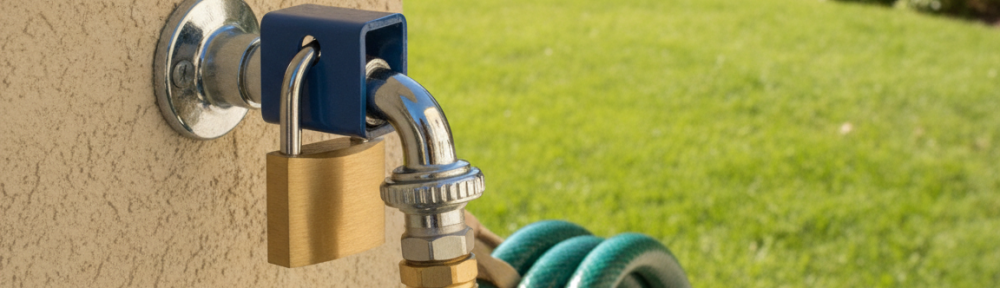
Outdoor faucets can be convenient, but they are also at risk when left unsecured. This introduction shows how Water Hose Locks and related hardware guard spigots, prevent unauthorized use, and cut down water waste. It provides practical solutions for homeowners, businesses, and institutions across the United States. These measures are essential in drought-prone areas where Lock Water Hose solutions are increasingly necessary.
Lockable Water Spigot
This article compares several solutions, including Hose Lock styles, Water Faucet With Lock designs, and vandal-resistant boxes such as the AA-HB-100 stainless steel model. It also explains lever-handle locks, quarter-turn faucet locks, and keyed or combination Lock For Water Spigot options. Readers will understand how to choose the right lock for their faucet, installation basics, and maintenance tips.
Installation Parts Supply (https://installationpartssupply.com) is featured as a trusted online source for faucet locks, lock boxes, and compatible parts. It serves both homeowners and plumbing professionals. Using these locks can discourage theft, cut utility costs, minimize water waste, deter vandalism, and increase property security.
Why Outdoor Faucet Security Matters For Homeowners And Businesses
Outdoor faucets, though simple, can create significant issues if not secured. An unlocked spigot can consume water, raise utility bills, and give others unauthorized access to private water lines. Installing a Locking Hose Bib or a Hose Bibb Lock reduces these risks and protects property value.
In water-scarce states such as California, unauthorized water use has become an increasing concern. Reports of unauthorized taps into hydrants, municipal stations, and residential spigots have increased. A Lockable Hose Bibb or Lock For Water Spout acts as a visible deterrent, discouraging casual misuse and helping prevent large meter charges.
Unsecured spigots can cause more than just high bills. They can trigger flooding, landscape erosion, foundation seepage, and basement damage. By installing a Lock For Water Faucet or a Hose Bibb Lock, the risk of costly repairs and insurance claims or legal liabilities is significantly reduced.
Communities facing water restrictions rely on compliance to manage limited water supplies. Securing private taps with Locking Hose Bibs and lockable enclosure boxes helps water conservation. Municipalities can support water rules more effectively, while neighbors benefit when outdoor outlets stay secured during drought periods.
When choosing a Locking Hose Bib or similar device, it is important to consider site needs, faucet type, and local rules. Buying a quality Lock For Water Spout or Lock For Water Faucet is a small step that helps protect assets, conserve water, and support community goals.
How Different Water Hose Locks Work
The right device for a lockable water spigot varies with faucet style, access needs, and the required security level. Below are common options, how each works, and where they fit best.
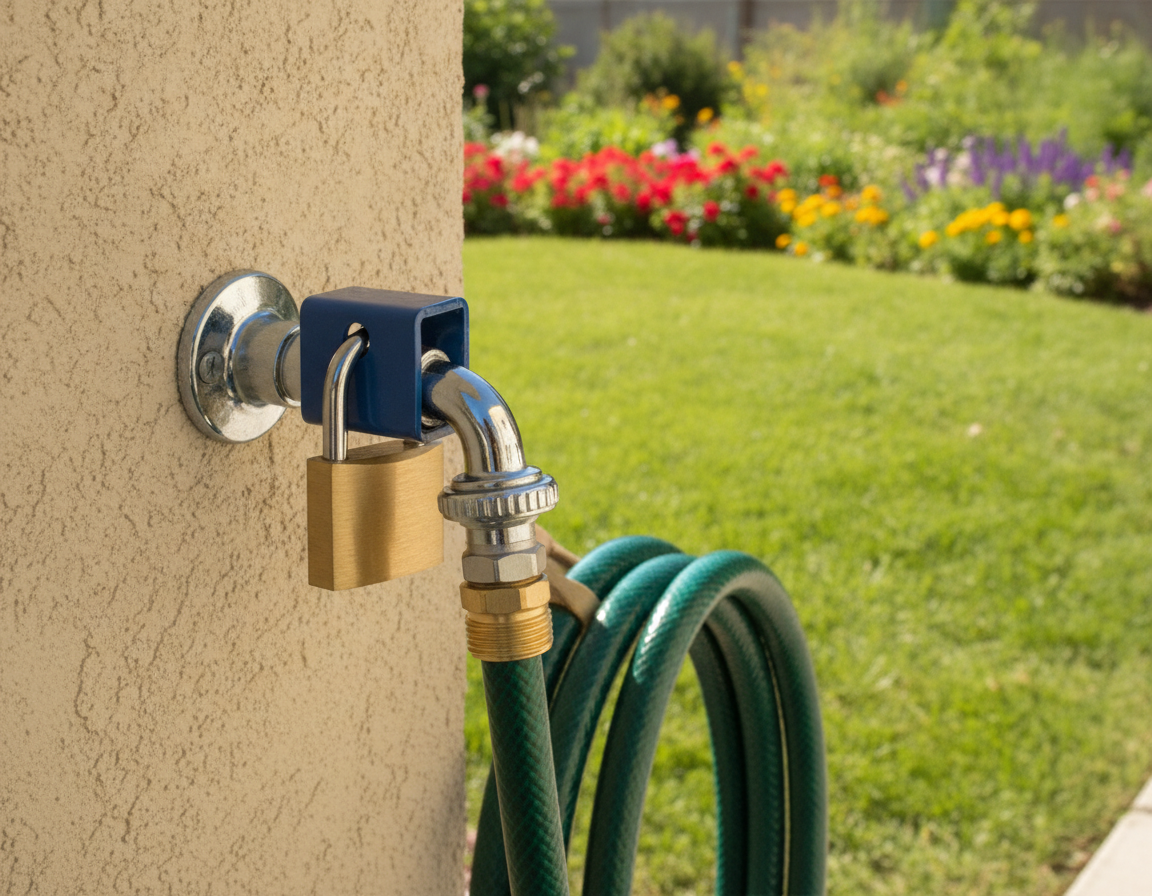
Cap Locks And Hose Bibb Locks
Hose bibb locks feature a metal sleeve or cap that slips over the spigot opening and fastens in place. The cover covers the hose threads, stopping hose attachment and preventing the water from being turned on.
These caps are usually budget-friendly and made for outdoor weather exposure. They fit standard garden hose thread sizes and work well on round-handle spigots at homes and small businesses. For simple theft prevention, a hose with lock or spicket lock cap is a practical choice.
Enclosure Box Locks Vandal-Proof Lock Boxes
Enclosure boxes cover the faucet and bibb inside a lockable metal or plastic housing. The unit blocks access to the handle and hose connection for strong protection in public or industrial settings.
Heavy-duty stainless lock boxes are often designed for cut resistance, weather exposure, and long service life. These boxes accept padlocks or integrated cylinders and are preferred where a visible deterrent and maximum theft resistance are required for locks for hose bibs.
Quarter-Turn And Lever Handle Faucet Locks
Lever and quarter-turn locks clamp over modern handle shapes and stop the handle from rotating. They lock around the lever, stopping the valve from opening without removing the lock.
These locks are made for newer faucets with flat, lever, or quarter-turn handles. They are usually not suitable for classic round-handle spigots. A Flow Lock that secures the handle is an effective choice for properties with updated faucets.
Keyed, Combination, And Padlock Locking Options
Locking mechanisms may use keyed cylinders, combination dials, and standard padlocks paired with shrouds. Keyed locks deliver strong security but need key control. Combination locks support shared access without key management.
Many enclosures and sleeves are padlock-ready and include hardened shrouds to resist cutting. Choosing between a keyed spicket lock and a combination-style hose with lock is shaped by how often access is needed and who needs it.
| Device Type | Best for | Common materials | Typical security |
|---|---|---|---|
| Locking hose bibb cap | Residential round-handle spigots | Brass, zinc alloy, or stainless steel | Low to medium |
| Enclosure box vandal-proof | Public, commercial, institutional faucets | Heavy stainless steel or durable polymer | High |
| Handle clamp lock | Quarter-turn and lever-style faucets | Metal or reinforced plastic materials | Medium-high |
| Keyed and combination locks | Sites requiring controlled access | Hardened steel and brass lock cylinders | Medium to high |
How To Choose The Right Lockable Faucet Solution
Selecting the right lock starts with faucet style, location, climate, and budget. A properly matched lock helps secure outdoor water access while keeping normal authorized use practical. It also reduces trial and error, saving installation time and effort.
Choose a lock that fits the faucet style
For round-handle hose bibbs, cap-style Lock For Hose models that slip over the valve work best. Quarter-turn and lever-handle spigots need clamp-style Locking Hose Bib fittings designed for those handle profiles. Freeze-proof spigots need designs that fit inside insulated covers or attach behind the spout.
Assessing location and security level
In lower-risk yards, a simple cap lock or keyed Lock For Water Spout in the $10 to $25 range is often enough. For high-traffic, commercial, or public sites, heavy-duty options such as stainless steel Garden Hose Lock Box enclosures are usually more appropriate. Consider visibility, ease of access, and vandalism risk when determining the strength needed.
Climate factors and freeze protection
In cold climates, choose locks compatible with insulated covers or select freeze-proof Lock For Hose products. These options are designed to remain installed through winter conditions. If outdoor lines need seasonal draining, remove the locking device before winter to reduce corrosion, ice damage, and cracking.
Maintenance and budget factors
Basic cap locks are usually the most affordable option. Enclosure boxes cost more but provide longer service life when made from stainless steel. Consider the long-term savings from preventing water loss and unauthorized use. Look for corrosion-resistant finishes and plan for routine lubrication to ensure smooth operation.
| Faucet Type | Best Lock Option | Usual Price | Recommended Application |
|---|---|---|---|
| Standard round-handle hose bib | Lock For Hose cap or keyed bibb cap | About $10–$25 | Home yards and lower-risk locations |
| Lever-handle or quarter-turn faucet | Lever-compatible clamp lock or padlock shroud | Usually $20 to $60 | Homes with modern faucets, moderate security needs |
| Public/commercial faucet | Stainless Garden Hose Lock Box or heavy-duty enclosure | Usually $75 to $250 | Public, institutional, or vandal-prone locations |
| Frost-proof spigot | Freeze-compatible Lock For Water Spout or removable design | $25–$100 | Cold climates where winter removal is not practical |
Step-By-Step Installation And Locking Process
To install a lock on an outdoor water faucet, follow the steps carefully and check fit as you go. Make sure the device fits securely and operates the way it should. Begin with a dry faucet and verify the threads and handle type. Remove hoses, clear away debris, and clean the mounting surface before installation.
Preparing The Faucet For Installation
First, shut off the water supply and open the faucet to drain any remaining water. Dry the spicket to prevent slipping when installing the spicket lock. Inspect the threads for wear and confirm the handle style so you can choose the correct Lock For Water Faucet or Locking Hose Bib.
Fitting The Inner Sleeve And Securing The Lock Body
Many Lock For Water Spout products include an inner sleeve that lines up with faucet threads, grooves, or spout shape. Slide the sleeve over the spigot and make sure it sits flush. Then, hand-tighten the lock body over the sleeve. Do not over-tighten, because excess force can damage threads and cause early wear.
Securing With Padlocks Or Integrated Locking Mechanisms
For padlock-ready enclosures, slide the outer cover into place and align the shroud. Insert a hardened padlock through the opening and lock it securely. For keyed or integrated units, follow the manufacturer’s instructions to engage the mechanism. Test the security by attempting to open the faucet with moderate force.
Common Installation Pitfalls And Troubleshooting
Misaligned inner fittings can lead to wobble or loosening. If this happens, remove and re-seat the sleeve, then hand-tighten again. Confirm that the Locking Hose Bib is compatible with your faucet type to improve security and fit.
Rust, mineral buildup, or debris can interfere with fit and prevent smooth locking action. Clean the threads and apply a light outdoor-rated lubricant. In freezing areas, drain water from lock cavities and consider insulated or removable designs to prevent damage.
| Step | What To Do | Helpful Tip |
|---|---|---|
| First | Turn off water supply and wipe spigot dry | Open faucet to clear residual water and wipe with a clean cloth |
| Second | Inspect faucet threads and handle type | Confirm handle style before buying a lock |
| Step 3 | Fit inner sleeve | Make the sleeve flush and do not force it |
| 4 | Install lock body | Hand-tighten to secure without thread damage |
| Step 5 | Engage padlock or integrated lock | Choose a hardened padlock for exposed spicket lock boxes |
| Step 6 | Test security and correct problems | Check for wobble, leaks, or freeze-related issues and correct as needed |
Hose Lock Maintenance, Care, And Seasonal Upkeep
Routine care is essential if you want locks to stay reliable and last longer. It is recommended to inspect a Hose Lock or Flow Lock at least twice a year. Look for signs of rust, grit, or damaged threads that could jam the mechanisms. Use a dry cloth to wipe the exteriors and remove debris from moving parts.
Apply graphite-based lubricant to lock cylinders, hinges, and pivot points. Use light lubricants recommended by the manufacturer for stainless components. Heavy oils can attract dirt, so it is best to avoid them. Inspect screws, fittings, and padlock shackles for wear. Tighten loose fasteners and replace worn hardware as soon as practical.
Start spring maintenance by testing each lock after thawing. Ensure keys and combinations operate smoothly. During heavy-use months, check that repeated access does not loosen fittings. Inspect seals and gaskets on a Lockable Hose Bibb or Garden Hose Lock Box to prevent leaks and corrosion.
During summer, check sun-exposed plastic enclosures for UV damage. UV exposure can weaken materials, so replace parts that become faded, cracked, or brittle. For commercial properties, document inspections for compliance, maintenance records, and liability management. A Flow Lock that binds under frequent use may need service or replacement.
Prepare for colder months by pairing locks with insulated covers or choosing freeze-proof designs. Drain hoses and exposed lines before freezing temperatures arrive. If ice could damage the mechanism, remove the lock or protect it to prevent cracking, binding, or shroud damage.
Follow the manufacturer’s care instructions for stainless hardware and warranty requirements. For example, adhere to specification sheets like AA-HB-100 when available. Proper maintenance helps Locks For Hose Bibs and Lockable Hose Bibb systems meet expected service life and warranty conditions.
Long-Term Durability: Product And Material Comparisons
Choosing the right lock solution influences security, maintenance, and cost. This section compares common materials and styles so performance can be matched to site needs. It highlights heavy-duty options for higher-risk locations and lighter choices for home use.
Stainless steel cases resist tampering and corrosion well. A 12-gauge Stainless Steel Lock Box is preferred for outdoor use in public and industrial areas. Look for vendor specs on warranty terms and country of manufacture for commercial models.
Plastic Enclosure units are less expensive and resist some chemical corrosion. They are lighter and easier to install around a Hose Bibb Lock on private property. They do not match stainless steel in forced-entry resistance, making them suitable for lower-risk homes.
Stainless Steel Lock Boxes Vs. Plastic Enclosures
Choose stainless steel for high-risk areas exposed to vandalism, heavy use, or public access. Choose plastic when budget, weight, or specific chemical corrosion is a concern. Consider lifespan, warranty, and local climate when deciding.
Shroud And Padlock Compatibility
Many lock boxes include a Padlock Ready Shroud designed for shrouded or shackle-less padlocks. This trim limits exposed shackle length and boosts cut resistance. For better protection, use hardened steel padlocks or shroud-compatible locks.
Check product specifications for clearance, shroud dimensions, and padlock compatibility. Keyed cylinders from reputable brands resist picking better than generic locks. Test fit before installation when possible.
Buying Quality Faucet Locks
Installation Parts Supply carries a variety of faucet security hardware for homeowners, plumbers, and property professionals. Retail home centers and online marketplaces sell basic Hose Bibb Lock models for homes. For heavy-duty stainless solutions, check manufacturer direct channels and industrial suppliers for detailed specs and samples.
| Selection Factor | Steel Security Box | Plastic Lock Enclosure | Shrouded Padlock Feature | Where To Purchase Faucet Locks |
|---|---|---|---|---|
| Security rating | High; resists cutting and prying | Weather-resistant but lower physical strength | Boosts security by shielding padlock shackles | Installation Parts Supply, manufacturers, industrial suppliers |
| Rust resistance | Strong long-term corrosion resistance | Good; chemical and moisture tolerant in many cases | Varies by material and coating | Basic units from retailers, heavy-duty models from specialty vendors |
| Price | Higher upfront cost with stronger long-term value | Budget-friendly but may wear sooner | Moderate; adds slight cost but improves protection | Pricing varies, so compare specs and warranties |
| Best use | Public-facing, industrial, and institutional faucets | Residential yards, light-duty locations | Sites where exposed shackles are a concern | Buy from local or online sources based on required grade |
Water Faucet Lock Cost, Warranty, And Value
When selecting a Lock For Water Faucet, it is important to consider both the initial cost and long-term benefits. Hose Lock pricing varies by design, material, construction quality, and intended use. Understanding the Hose Lock Price and Warranty For Faucet Lock details is important to finding a balance between security and durability.
Hose Lock prices start at a low for basic caps and increase for more durable options. Caps and cap-style locks usually cost between $10 and $25. Lever-handle clamps are often in a similar or slightly higher price range. Commercial-grade stainless steel enclosures and vandal-resistant units cost more because they use thicker steel and stronger tamper-resistant features.
The true value of a Locking Hose Bib is greater than its price. It can reduce water theft, saving owners hundreds to thousands of dollars. A quality Flow Lock or stainless enclosure can also reduce vandalism repairs and lower utility costs.
Warranty coverage is important when comparing different brands. Look for manufacturers that offer detailed spec sheets and care instructions. Some 12-gauge stainless models come with warranties against vandalism that last nearly a decade. Requesting samples and reading warranty guides before purchase helps confirm compatibility with your local environment.
Reputable suppliers like Installation Parts Supply and mainstream hardware retailers offer detailed product information and replacement parts. Confirming warranty terms and maintenance requirements helps routine care maintain coverage and extend product life.
Value extends beyond the initial price because it includes water conservation, risk reduction, and avoided misuse. A well-chosen Lock For Water Faucet supports water stewardship during droughts and shows that the property is secured. These non-monetary benefits—such as peace of mind, reduced anxiety about unauthorized use, and compliance with local regulations—add significant value.
The decision should weigh the immediate Hose Lock Price, expected savings from avoided losses, and the long-term benefits of a Locking Hose Bib. A thoughtful purchase matches budget, Warranty For Faucet Lock terms, and the level of protection needed from a Flow Lock or similar device.
Water Hose Locks Summary
Installing the right Water Hose Locks is a simple step that secures outdoor water access, reduces theft, and prevents costly water waste and property damage. Whether you choose a basic Lock For Hose cap, a lever-handle lock, or a heavy-duty Lockable Water Spigot enclosure, the right fit secures fixtures and supports broader water conservation goals in your neighborhood.
Before selecting a solution, assess your faucet style, local risk level, and climate. For everyday use, a properly fitted Garden Hose Lock Box or keyed bibb cap can provide effective deterrence. For high-risk locations, consider a strong 12-gauge stainless enclosure such as the AA-HB-100 for maximum durability and protection.
Take practical next steps by sourcing locks and accessories from reputable suppliers. Review product specification sheets and warranties, and follow manufacturer guidelines for installation and seasonal upkeep. Understanding How To Lock Outdoor Water Faucet properly and maintaining the hardware will improve service life and preserve performance.
A modest investment in a lock system pays back through lower utility bills, fewer repair surprises, and compliance during drought restrictions. Secure fixtures with the right tools and routine care to keep outdoor water accessible only to authorized users and give property owners lasting peace of mind.
Related: Choosing The Right Oetiker Clamp For Your Hose Type